Brea HOA vs No HOA: A Practical Guide for Homebuyers
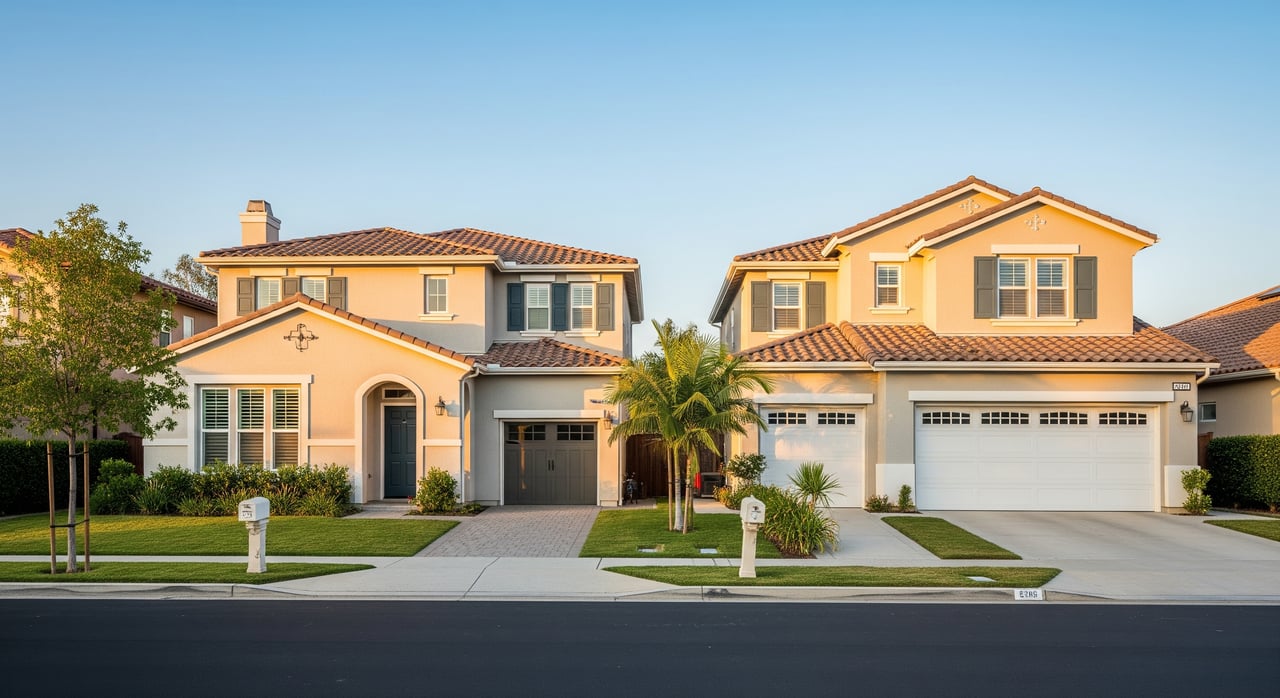
Thinking about buying in Brea and wondering whether a home with an HOA or one without fits you best? You are not alone. The choice affects your monthly budget, day-to-day flexibility, maintenance workload, and even resale. In this guide, you will learn the key differences, what to budget, the rules to expect, and how to do smart due diligence in Brea and North Orange County. Let’s dive in.
An HOA is a community association that manages shared areas, enforces rules called CC&Rs, and collects dues to fund operations and reserves. In California, HOAs operate under the Davis-Stirling Common Interest Development Act, which sets procedures for budgets, reserves, meetings, disclosures, and enforcement.
In Brea, you will see a mix of condos and townhomes with HOAs, gated or planned single-family communities with HOAs, and many older single-family neighborhoods without HOAs. In HOA communities, you trade some autonomy for shared services, amenities, and standards. In non-HOA areas, you gain independence but take on full responsibility for exterior care and major repairs.
| Factor | HOA home | No HOA home |
|---|---|---|
| Monthly fees | Recurring dues for operations and reserves | No HOA dues, only standard home expenses |
| Rules | CC&Rs set standards for exterior changes, parking, rentals, pets | City codes apply, homeowner sets most standards |
| Maintenance | HOA often covers common areas, sometimes exteriors in condos | Owner handles all maintenance and repairs |
| Insurance | Master policy for common areas, owner needs HO-6 or homeowners policy | Standard homeowners policy, owner covers all structures |
| Parking & amenities | Rules for guest parking, possible pool, gates, parks | Public street rules vary by city, amenities are private |
| Resale & financing | Project health can affect lending and buyer pool | No project approvals, but condition and location drive demand |
HOA dues fund day-to-day operations and long-term reserves. Locally, condos and townhomes often have dues in the low hundreds to several hundreds per month, since they share building systems. Single-family HOAs in planned communities often charge lower dues that cover landscaping, gates, and amenities. Always verify fees and inclusions on each listing.
Ask for the latest reserve study and current reserve balance. Strong reserves reduce the chance of special assessments for items like roofs, pool repairs, or gate systems. Industry guidance from the Community Associations Institute explains why reserves matter and how associations plan for major repairs.
Factor in property taxes and any special taxes. The Orange County baseline property tax rate is roughly 1 percent of assessed value, plus voter-approved overrides. Confirm current figures with the Orange County Assessor. Some newer Orange County communities also carry Mello-Roos special tax assessments for infrastructure. You can review special assessments on the tax bill or contact the Orange County Treasurer-Tax Collector for details.
Tip for budgeting:
HOAs use CC&Rs and community rules to set standards and protect shared property. Common rules include:
Rules vary widely by community. Review CC&Rs, house rules, and recent board minutes to learn how enforcement works and how quickly architectural approvals happen. If you plan to rent your home in the future, check for rental caps or owner-occupancy requirements before you write an offer.
In condos and many townhomes, the HOA typically maintains the building exterior, roof, and shared facilities. You are usually responsible for interiors and your personal property. Many condo owners carry an HO-6 policy and rely on the association’s master policy for building and common areas. Confirm the “insurance matrix,” coverage limits, deductibles, and whether the master policy is “all-in” or limited to common elements.
In single-family HOAs, the association often maintains common landscaping, gates, and amenities, while owners handle most exterior items. In non-HOA homes, you manage all maintenance, repairs, and insurance for the entire property. Clarify who covers exterior pest control, graffiti removal, and security systems in any gated community.
A well-managed HOA with healthy reserves and maintained amenities can attract buyers. High dues, strict rules, or frequent assessments can narrow your buyer pool. Lenders also review condo and townhome projects for financial health, owner occupancy, litigation, and delinquency rates. Associations with low reserves or active litigation can face lending hurdles, which may affect your financing options and resale timeline.
In non-HOA neighborhoods, lending focuses more on the home’s condition and market comps. You have broader flexibility for renovations, which can help long-term value, but you bear all costs of major repairs.
Brea’s housing stock includes older single-family neighborhoods without HOAs, plus townhome and condo communities and some planned or gated neighborhoods with HOAs. Nearby North Orange County cities like Fullerton, Placentia, and Yorba Linda show similar patterns. Newer subdivisions in the region are more likely to have HOAs and may include Mello-Roos.
City rules still apply in both HOA and non-HOA areas. For planning and building standards, parking enforcement, and services, consult the City of Brea. State law has expanded ADU rights in recent years, and HOAs may require approvals for plans. If an ADU is in your future, confirm both city requirements and any architectural review steps in the CC&Rs.
Request these items early, ideally while you are in escrow:
Also verify:
Ask practical questions:
Choose an HOA home if you value shared upkeep, amenities, and a cohesive look with set standards. This path works well if you are comfortable with rules and a predictable monthly dues line item.
Choose a non-HOA home if you want maximum flexibility and control. You avoid dues, but you accept the risk and responsibility of big-ticket repairs and all exterior decisions.
If you want a local walkthrough of pros and cons for specific Brea neighborhoods and communities, we are here to help you compare your options in real time and line up the documents you need to decide with confidence.
Ready to explore homes with and without HOAs in Brea? Reach out to Luminescent Real Estate for tailored guidance, document checklists, and a calm, step-by-step plan from search to close.
Stay up to date on the latest real estate trends.
You've got questions and we can't wait to answer them.