Murrieta Rental Property Guide Before You Buy
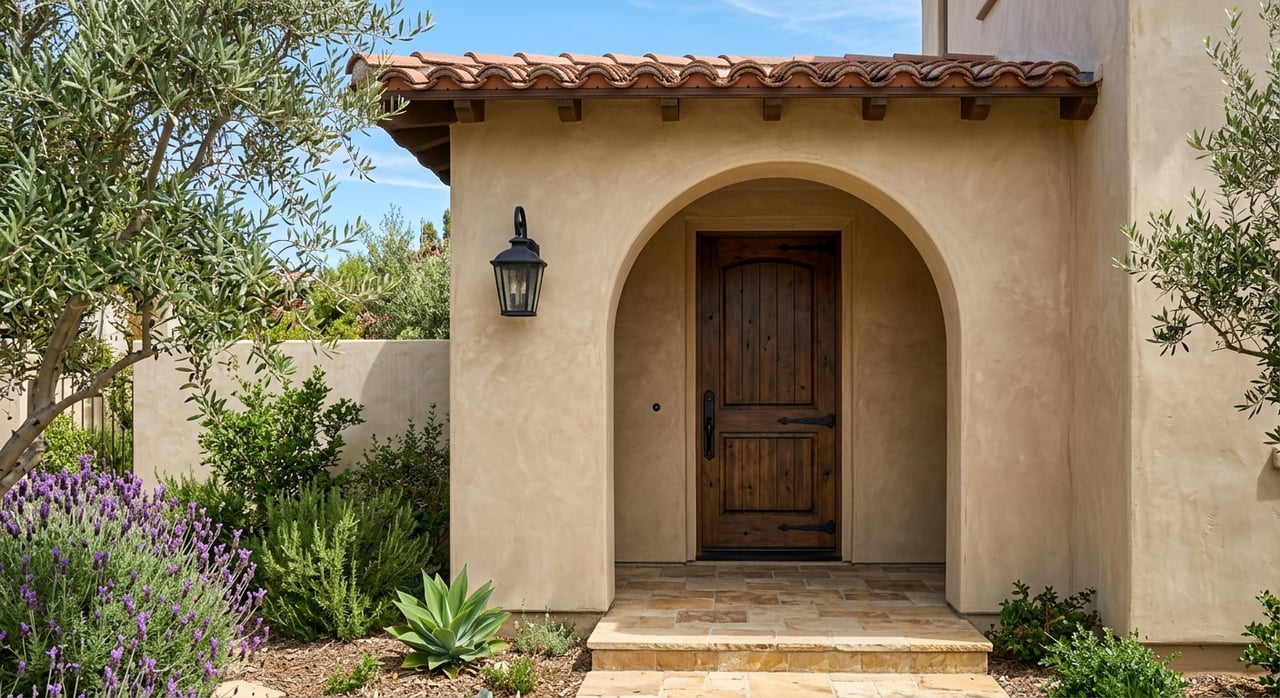
Thinking about buying a rental home in Murrieta? It can be an appealing idea, especially in a city where rents sit in the mid-$2,000s and detached homes make up most of the housing stock. Still, owning a rental is more than collecting rent each month. You need to understand the local market, the property type, the day-to-day responsibilities, and the numbers behind the purchase. Let’s dive in.
Murrieta is a large and growing Riverside County city with an estimated population of 112,539 as of July 1, 2024, according to U.S. Census QuickFacts. The same source reports a median household income of $114,081, a mean commute time of 37.4 minutes, and a median gross rent of $2,388. Those numbers help paint a picture of a suburban rental market that may appeal to longer-term renters.
The local housing and renter profile also matters. Census and county profile data in the research show that 32.2% of households are renter-occupied, 58.9% are married-couple households, and 18.9% are four-person households. If you are weighing a Murrieta rental purchase, that suggests demand may often line up with households looking for space, stability, and a practical commute.
At the same time, rent and value data should be used carefully. Zillow’s Murrieta market page reported an average asking rent of $2,531 as of February 28, 2026, while the same page lists a typical home value of $680,928 and Census reports a median owner-occupied home value of $639,800. Because these figures come from different methodologies, your underwriting should rely on current local rent comps, not just broad averages.
If you are buying your first rental in Murrieta, the type of property you choose can shape everything from your budget to your management workload. The city’s housing element shows that 73.9% of housing units are single-family detached, 3.6% are single-family attached, 18.0% are multifamily, and 4.5% are mobile homes. In plain terms, Murrieta is mainly a detached-home market.
That does not mean a detached house is your only option. California’s landlord-tenant guide defines rental units broadly and includes houses, apartments, duplexes, condominiums, ADUs, junior ADUs, and rooms. Depending on your goals, budget, and preferred level of involvement, several property types could work.
For many buyers, a single-family home is the most natural fit in Murrieta because it lines up with the city’s housing stock. This option may also appeal if you want a property that fits the area’s established suburban pattern. Since many local households appear to value space and long-term living, a detached home can be a practical place to start.
Condos and townhomes may offer a lower price point than detached homes, depending on the property and location. They can also be worth considering if you want a different maintenance profile than a standalone house. You will still want to review all ownership costs carefully and compare realistic rent potential before deciding.
If your strategy involves multiple income streams, a duplex, small multifamily property, or a home with an ADU may deserve a closer look. Before moving forward, you should confirm permitted uses and development rules with Murrieta’s Development Code. This is especially important if you plan any conversion, expansion, or future improvements.
Murrieta shows signs of long-term household stability. Census QuickFacts reports that 88.0% of residents lived in the same house one year earlier. While that statistic covers all residents rather than renters alone, it still points to a community where stable occupancy patterns are part of the broader housing picture.
The research also shows a diverse employment base. The county profile lists services at 50.8%, retail trade at 12.6%, manufacturing at 8.1%, public administration at 7.3%, construction at 6.6%, and finance, insurance, and real estate at 6.1%. For you as an owner, that kind of spread suggests tenant demand is not tied to only one employer or one industry.
This matters because durable rental demand often depends on more than one factor. In Murrieta, income levels, commute patterns, and the prevalence of family-sized households all help explain why long-term rentals may be a better fit than assuming a short-stay model by default.
One of the most common mistakes new landlords make is assuming the property will stay occupied all year. Even in a solid market, vacancies happen. Lease timing changes, residents move, and re-leasing can take time.
Statewide vacancy data is a useful reminder here. According to the Federal Reserve Economic Data series for California rental vacancy, the state’s rental vacancy rate was 4.8% in 2025, up from 3.9% in 2022. That does not tell you Murrieta’s exact vacancy rate, but it does support a conservative approach when you estimate cash flow.
As you run the numbers, be sure to include:
Owning a rental home is not passive by default. California law places clear responsibilities on landlords, and those responsibilities affect both your time and your budget. The California Department of Real Estate landlord-tenant guide explains that a rental unit must be habitable before move-in and remain habitable during the tenancy.
That means maintenance is not optional. Responsive communication, repair coordination, recordkeeping, and property condition all matter. The guide also notes that many landlords retain a property manager, which can be helpful if you want professional support with leasing, maintenance coordination, and ongoing operations.
Murrieta’s housing stock adds another practical layer. The city says most homes were built between 1980 and 2009, and its housing element notes that older housing generally requires more upkeep. Even if a home looks well kept today, you should still plan for repairs and future system replacements over time.
Before you purchase a Murrieta rental home, it helps to slow down and verify the basics. A property may look promising on paper, but your long-term results often come down to the details you check before closing.
Here is a practical pre-purchase checklist:
A careful review upfront can help you avoid expensive surprises later.
Rental income is not the same as take-home profit. According to IRS Publication 527, residential rental income is generally taxable, and common expenses such as maintenance, insurance, taxes, and interest can generally be deducted. Depreciation is treated separately, which can also affect your tax picture.
This is why it is smart to build your team early. A real estate professional, a qualified property manager if needed, and a CPA or tax preparer can help you understand the full cost of ownership before you buy. When you know the rules and the real numbers, you can make a more confident decision.
Murrieta’s future housing pipeline is another reason to keep a long-term view. The city’s General Plan 2035 notes a buildout population of 133,452 within 33.61 square miles, and the city says its 2021-2029 RHNA allocation is 3,043 planned dwelling units. In other words, both current demand and future supply can influence your rental strategy over time.
That does not automatically make a purchase better or worse. It simply means you should think beyond today’s asking rents and consider how new housing, neighborhood competition, and changing inventory may affect leasing conditions down the road.
If you are exploring whether a Murrieta rental home fits your goals, local guidance can make the process clearer. Luminescent Real Estate offers concierge-style support for buyers, sellers, rentals, and property management with local insight tailored to Temecula, Murrieta, and surrounding Riverside County communities. Let’s illuminate your next move and help you evaluate the right property with confidence.
Stay up to date on the latest real estate trends.




You've got questions and we can't wait to answer them.