Temecula New Construction Homes: A Clear Buyer Guide
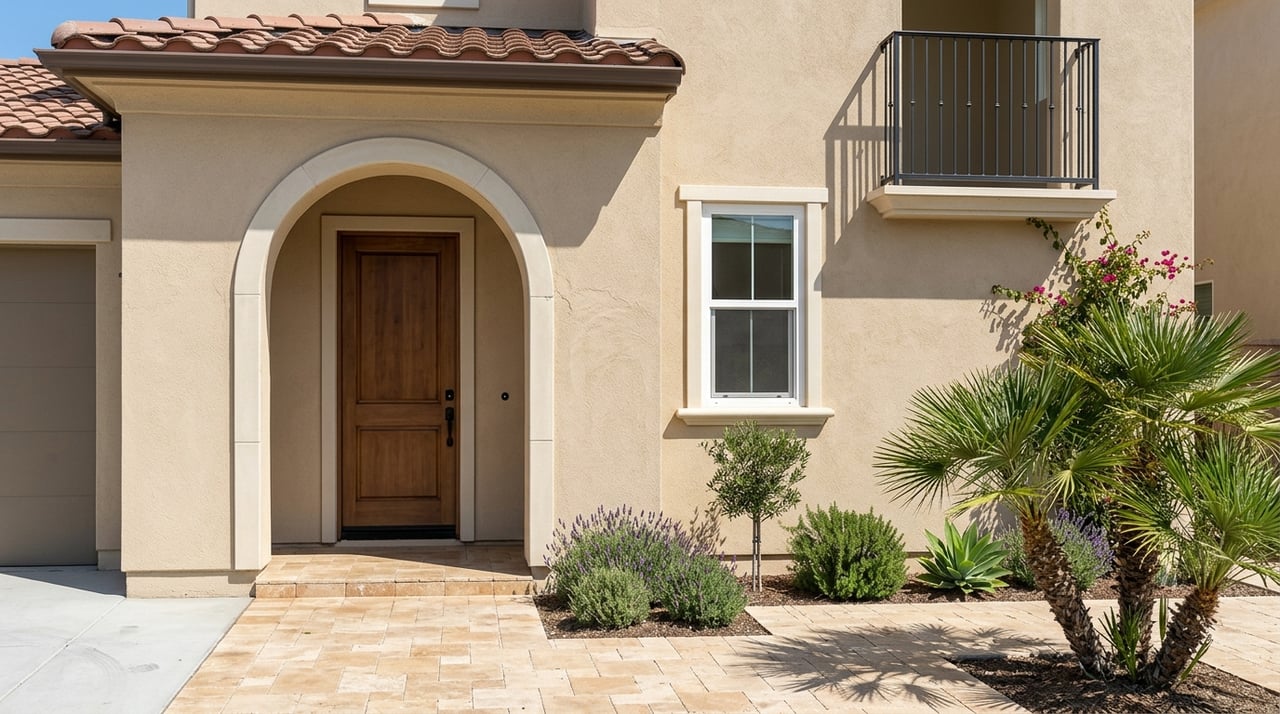
Thinking about buying a brand-new home in Temecula? It can be exciting to picture fresh finishes, modern layouts, and energy-efficient features, but new construction also comes with a different process than buying a resale home. If you want to understand pricing, contracts, upgrades, inspections, and timelines before you sign, this guide will help you move forward with more clarity and confidence. Let’s dive in.
Temecula continues to attract buyers who want newer housing options, but supply has not expanded at a rapid pace. According to the City of Temecula’s 2026 Retail Assessment Report, the city added 2,438 housing units over the last decade, a 6.7% increase, and reached 112,220 residents in 2025.
That steady growth helps explain why new-construction homes remain an important part of the local market. Temecula is still somewhat competitive, with Redfin market data showing homes sold in about 84 days in February 2026 and a median sale price of $693,000.
If you are shopping for a new build, you will likely see a wide price spread. Realtor.com currently shows new-construction options in Temecula ranging from around the mid-$600,000s to well above $1.8 million, with 40 new-construction homes for sale in 92591 and a median listing price of $735,000.
Temecula new construction is not one-size-fits-all. Some communities offer more attainable attached homes, while others focus on detached homes with larger footprints, upgraded features, or amenity-rich settings.
For example, Meritage’s Prado community is priced from $619,000 and highlights designer-decorated model homes. At the higher end, SHAWOOD’s Sommers Bend describes a master-planned community with trails, parks, and resort-style amenities.
That range matters because your budget needs to account for more than the headline price. In many new-home communities, the final number can shift based on lot choice, structural options, design upgrades, HOA dues, and solar-related costs.
One of the biggest surprises for buyers is that the advertised price is often just the starting point. Builders may promote a base price, but that number may not include homesite premiums, optional features, HOA fees, or solar costs.
For instance, KB Home’s Riverside County page states that prices, terms, promotions, features, options, amenities, floor plans, square footages, and association fees can change without notice. The same page also notes that posted prices do not include upgrades and homesite premiums.
That means you should ask for a full cost breakdown early. Before you fall in love with a floor plan, make sure you understand:
If you are buying a newly built single-family home in Temecula, solar should be part of your conversation from the start. California’s Energy Code requires solar photovoltaic systems for newly constructed single-family residential buildings, with limited exceptions.
That does not always mean solar is included in the listed price. In practice, you should confirm whether the solar is included, leased, or added separately to your purchase costs.
This is one of those details that can affect your monthly payment and long-term budget. It is worth getting the answer in writing before you move too far into the contract process.
Buying new construction is not the same as writing an offer on a resale home. With a resale, there is often more back-and-forth over price, repairs, and contingencies. With new construction, the negotiation is often more about terms, timing, lot selection, upgrades, and incentives.
That difference shows up clearly in builder documents. KB Home’s disclosures make it clear that pricing and features can change, while the California Department of Real Estate advises buyers to read every document carefully, avoid signing anything with blank spaces, and include contingencies when appropriate.
Many Temecula communities are planned developments, which means you may also receive documents covering HOA dues, special taxes, assessments, utilities, hazards, and subdivision financing. These are not minor details. They are part of the real cost and structure of ownership.
Before signing a builder contract, take time to review the details that affect both your budget and your day-to-day ownership experience.
Focus on these items:
The California Department of Real Estate also notes that agency disclosures should explain whether a licensee is acting as the seller’s agent, buyer’s agent, or dual agent. That matters because the builder’s on-site sales team represents the builder’s side of the transaction, not automatically yours.
Model homes are helpful, but they can also create unrealistic expectations if you do not ask the right questions. Builders often use upgraded finishes, premium lighting, enhanced landscaping, and carefully staged rooms to show the home at its best.
That is not a bad thing, but you need to separate the floor plan from the finish level. KB Home’s Temecula Design Studio explains that buyers may choose items like flooring, countertops, cabinets, lighting, and appliances during design appointments, while Meritage emphasizes both model homes and move-in ready options.
Structural choices and cosmetic choices usually happen at different stages. Research from current builder materials also suggests that structural decisions, such as garage configurations, guest suites, or covered patios, are often made earlier than surface-level finish selections.
When you tour a Temecula model home, bring a short list of questions so you can compare communities more clearly.
Ask things like:
If timing matters, ask whether the builder has any quick move-in inventory. Meritage notes that quick move-in options can be useful for buyers who need a faster path to closing.
New construction can test your patience, especially if you are also coordinating a lease end, a relocation, or the sale of another home. While builder timelines vary by community and construction stage, local permitting and inspection steps are part of the overall picture.
The City of Temecula says its Building Department plan review process typically takes 10 to 12 business days for initial review and 5 to 7 business days for resubmittals. The city also states that work must remain exposed until inspected, which can affect how construction stages progress.
This does not mean every home will be delayed, but it does mean your completion date may move. If you need a more predictable timeline, a nearly completed or quick move-in home may be worth considering.
A brand-new home is still a construction project, which means inspections remain important. New does not automatically mean perfect.
According to the American Society of Home Inspectors, phased new-construction inspections can include foundation and framing checks after rough-ins but before insulation, drywall, and siding, plus a final inspection before closing. ASHI also notes that a predrywall inspection provides objective information about installed components, even though it is not a warranty or guarantee.
This lines up with the City of Temecula’s inspection requirements, which state that work must remain accessible until approved and that final inspection completes the project. An independent inspection can help you identify concerns early, while systems and workmanship are still easier to review.
New homes often come with builder warranty procedures, but that does not replace the value of documentation. If a defect is found, California’s Department of Consumer Affairs explains that under SB 800, buyers generally must first contact the builder and give the builder a chance to repair before legal action.
That process is one reason independent inspections can be so helpful. If issues are documented early, you have a clearer record of what needs attention and when it was identified.
It is easy to assume that buying from a builder is simpler because there is an on-site sales office. But convenience and representation are not the same thing.
The California Department of Real Estate’s agency disclosure guidance explains that the role of each real estate licensee must be disclosed in writing. In practical terms, having your own buyer’s agent can help you compare communities, review contract terms, track deadlines, and keep the focus on your priorities.
That support can be especially valuable if you are deciding between a quick move-in home and a to-be-built home, weighing incentives against upgrade costs, or trying to coordinate the sale of your current property.
If you are feeling overwhelmed, break the new-construction process into a few clear steps.
When you approach it this way, the process becomes much more manageable. You can enjoy the benefits of a new home without being caught off guard by the fine print.
If you are exploring new construction in Temecula and want patient, local guidance through the details, Luminescent Real Estate is here to help you compare options, ask the right questions, and move forward with confidence.
Stay up to date on the latest real estate trends.
You've got questions and we can't wait to answer them.