Leave a Message

By providing your contact information to Luminescent Real Estate, your personal information will be processed in accordance with Luminescent Real Estate's Privacy Policy. By checking the box(es) below, you consent to receive communications regarding your real estate inquiries and related marketing and promotional updates in the manner selected by you. For SMS text messages, message frequency varies. Message and data rates may apply. You may opt out of receiving further communications from Luminescent Real Estate at any time. To opt out of receiving SMS text messages, reply STOP to unsubscribe.

Thank you for your message. We will be in touch with you shortly.

La Habra ADU Rules: A Clear, Step-by-Step Owner’s Guide
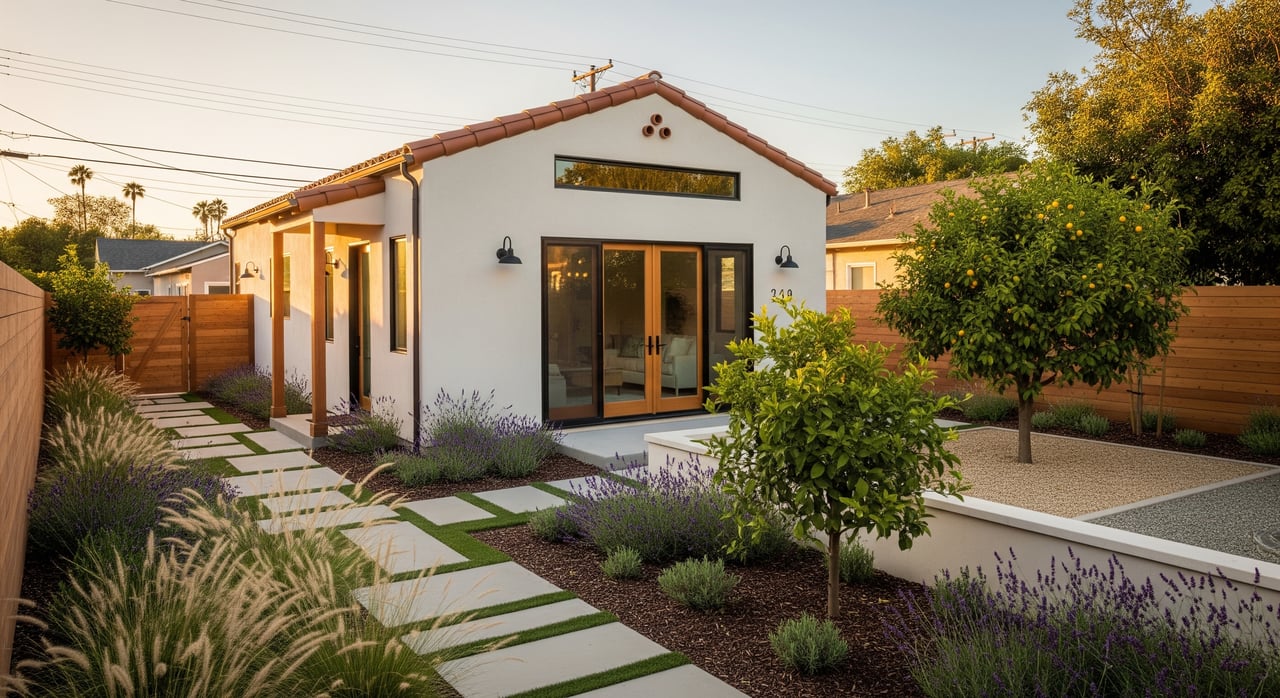
ADU Rules in La Habra: A Simple Owner’s Guide

Thinking about adding a backyard home in La Habra, but not sure where to start? You’re not alone. Between state rules, local standards, parking, and utilities, the process can feel complicated. This guide breaks it down so you understand what counts as an ADU, how La Habra applies California law, what permits you’ll need, and the steps to move from idea to approved unit. You’ll also get direct links to city and state resources and a practical checklist. Let’s dive in.

ADU and JADU basics

Accessory dwelling units are secondary homes on the same lot as a primary residence. Junior ADUs are smaller units created within an existing home or attached garage. They have their own entry and kitchen basics, but limited size and different rules.

For statewide definitions and examples, review the California Housing and Community Development agency’s ADU Guidebook, which explains how state standards work across cities and counties. You can read it here: the HCD ADU Guidebook PDF.

State rules that shape La Habra

California sets the baseline. Cities must use a ministerial review for most ADUs, which means your application is judged against objective standards without a discretionary hearing. The state limits some local barriers, such as certain parking or lot coverage constraints, and protects your right to build within those baseline standards when you comply.

If you want to see the law yourself, search Government Code section 65852.2 on California’s Legislative Information site. HCD also summarizes approvals, size allowances, parking exceptions, and timing in its Guidebook, so you can compare what the state requires with La Habra’s local code.

Check zoning first

Your first step is to confirm your property’s zoning and whether ADUs or JADUs are allowed on your lot. Use the City of La Habra’s website to reach Planning or Building for zoning, setbacks, and any overlays that may apply. Then review La Habra’s municipal code for accessory dwelling unit standards and submittal requirements; search for “Accessory Dwelling Unit” in the code index.

  • City home page for Planning/Building contacts: City of La Habra
  • La Habra municipal code: La Habra Code of Ordinances

Tip: If you live in a community with an HOA or recorded CC&Rs, review those documents early. City approval does not override private covenants.

Your permit path

Here’s a straightforward path most La Habra homeowners can follow:

Step 1: Pre-check and feasibility

  • Confirm zoning, lot size, easements, and any overlays in the municipal code.
  • Decide on your ADU type: conversion of existing space, attached addition, detached new unit, or a JADU within the home.
  • Identify high-level constraints: setbacks, height, lot coverage, and access.

Step 2: Connect with the city

  • Call or visit Planning/Building to confirm what you can build, required submittals, and current review timelines. Start on the City of La Habra site for up-to-date contacts.
  • Ask for any current handouts or submittal checklists specific to ADUs.

Step 3: Prepare your plans

  • Typical package includes a site plan, floor plans, elevations, structural details, energy (Title 24), and utility plans. Include grading and drainage if needed.
  • If converting existing space, document existing conditions clearly to streamline review.

Step 4: Apply for plan check

  • Submit to the Building Division for ministerial review against objective codes. Plan check will focus on building, fire, electrical, plumbing, mechanical, and energy standards.
  • Respond quickly to correction comments to keep your timeline moving.

Step 5: Inspections and final occupancy

  • Schedule required inspections as work progresses. After final approval, the city issues a certificate of occupancy. You can only move in or rent the ADU after that sign-off.

Parking rules to know

Parking can be a sticking point. State law limits how much parking a city can require for ADUs in certain situations. For example, parking often cannot be required when you convert existing space within a home or garage, and there are potential exemptions related to proximity to transit. The HCD ADU Guidebook explains these triggers at the state level, while La Habra’s municipal code specifies how they apply locally. Confirm with Planning whether tandem spaces or parking in setbacks are allowed, and whether any exemptions apply to your property.

  • Statewide parking guidance: HCD ADU Guidebook PDF
  • Local standards and exceptions: La Habra Code of Ordinances

Utilities and connections

Plan early for water, sewer, power, and drainage. Some ADUs can share services; others may need separate meters or capacity upgrades. Policies vary by city and utility providers, so get clarity from La Habra’s Building and Public Works teams before finalizing plans.

  • Water and sewer: Ask whether a new connection is required, what capacity or connection fees apply, and whether there are low-impact development or drainage requirements for new construction.
  • Electrical and gas: Older homes often need a panel upgrade to support an ADU. Confirm meter requirements and costs with your utility.
  • Trash and recycling: Check whether the ADU needs separate service or can share the primary dwelling’s service.

Fees, taxes, and insurance

You will pay plan check, permit, and inspection fees. Some impact or utility connection fees may be reduced for smaller ADUs under state rules, but you should confirm amounts and timing with the city. For the latest numbers, consult the City of La Habra site and ask Planning/Building to direct you to the current fee schedule.

Adding an ADU usually increases your property’s assessed value, which can change your property taxes. For specifics, contact the county assessor. You should also check with your insurance agent so your policy reflects the additional dwelling and liability.

For official guidance and baseline fee rules, review HCD’s resources and the La Habra municipal code:

  • HCD resources: California HCD homepage
  • La Habra municipal code: La Habra Code of Ordinances

Ready-made checklist

Use this list to stay organized from day one:

  • Confirm your lot’s zoning and ADU eligibility with La Habra Planning.
  • Decide on type: conversion, attached, detached, or JADU.
  • Check setbacks, height, and lot coverage in the municipal code.
  • Confirm parking requirements and possible exemptions.
  • Schedule a pre-application conversation with Planning/Building; note contact names.
  • Verify utilities: sewer/water connection, electrical capacity, gas, and drainage.
  • Review HOA/CC&Rs and obtain any needed approvals.
  • Gather documents: deed, plot plan, existing plans, proposed plans, contractor info.
  • Budget for city fees, impact/connection fees, and inspections.
  • Plan for inspections and final certificate of occupancy.
  • Call the county assessor about tax impacts and your insurer about coverage.

Pro tips to avoid delays

  • Start with Planning. Get written confirmation of the unit count allowed, parking standards, and any design requirements.
  • Use a designer familiar with North Orange County ADUs to cut plan-check revisions.
  • Get multiple contractor bids. Confirm who will submit plans and manage inspections.
  • Keep a paper trail. Save emails, plan sets, and correction responses.

Why the rules matter for La Habra

La Habra must apply California’s ADU law, but it also sets objective local standards in its municipal code. That means your project lives at the intersection of state baseline rights and city-specific implementation. To see both sides directly, compare the HCD ADU Guidebook with La Habra’s code, and verify details with the Planning and Building counters:

  • State baseline rules: HCD ADU Guidebook PDF
  • La Habra local standards: La Habra Code of Ordinances
  • City contacts and permit center: City of La Habra

If you’re planning to rent your ADU or buy a home with an existing ADU, we can help you think through value, rentability, and property management options so your investment aligns with your long-term goals.

Ready to talk strategy for your ADU plans or a purchase with ADU potential? Reach out to Luminescent Real Estate for friendly, step-by-step guidance from a Southern California team that treats you like family.

Let’s connect at Luminescent Real Estate.

FAQs

What is an ADU in La Habra and how is it different from a JADU?

  • An ADU is a self-contained home on the same lot as a primary residence, while a JADU is a smaller unit created within an existing home or attached garage; review the HCD ADU Guidebook PDF for state definitions.

How are ADU permits approved in La Habra under state law?

  • Most ADUs must be reviewed ministerially against objective standards without a public hearing, consistent with California Government Code section 65852.2 on the Legislative Information site.

Do I need to provide parking for an ADU in La Habra?

  • It depends on your site and ADU type; state law limits some parking requirements, and exemptions may apply near transit or for conversions—confirm details in the HCD ADU Guidebook PDF and with La Habra Planning.

What documents do I need to submit for a La Habra ADU permit?

  • Plan to provide a site plan, floor plans, elevations, structural and energy (Title 24) documents, and utility connection plans; confirm the full list with the City of La Habra.

Will my property taxes go up after building an ADU in La Habra?

  • Likely yes; adding an ADU generally increases assessed value, so contact the county assessor for the exact impact based on your improvements.

Where can I find La Habra’s current ADU rules and fees?

  • Start with the City of La Habra for contacts and the La Habra Code of Ordinances for ADU standards, and ask Planning/Building to direct you to the current fee schedule.

Let's Talk

You've got questions and we can't wait to answer them.