Considering A Move Inland? Life In Temecula Explained
Thinking about leaving the coast but not sure what daily life inland would actually feel like? Temecula often comes up for buyers who want a different pace without feeling disconnected from Southern California. If you are weighing a move from Orange County, coastal San Diego County, or another nearby area, this guide will help you understand what changes, what stays convenient, and what makes Temecula feel distinctly local. Let’s dive in.
Temecula is in southwest Riverside County, in the Temecula Valley. It is often described as about an hour from San Diego and Orange County, and the Pacific Ocean sits 22 miles west across the Coastal Mountain Range.
That location matters because Temecula is not remote, but it does feel different from the coast. You are still tied into the broader Southern California region, yet your day-to-day routine is shaped more by inland geography, open space, and freeway access than by beach proximity.
For many people, the biggest shift is not just mileage. It is the rhythm of everyday life.
Temecula tends to feel more spread out, more car-oriented, and more centered on home, local amenities, and weekend recreation. Compared with many coastal areas, your routine may include more driving and more planning around major commute routes, but also more access to trails, rolling hills, and a lifestyle that feels a little less compressed.
The City of Temecula says most trips happen by private automobile. I-15 is the main regional corridor, with I-215 and State Route 79 adding more connections to surrounding areas.
If you are used to rail access or highly walkable neighborhoods, this is one of the clearest adjustments. Temecula does not have regional or national passenger rail service, so getting around usually means driving and staying aware of freeway traffic patterns, especially on I-15.
Temecula does have some transit options. RTA bus service covers Temecula and western Riverside County, and the city also points to Commuter Express service, carpooling, vanpooling, and park-and-ride resources.
Those tools can help, especially if your work routine is predictable. Still, they function more as support options than as a full replacement for a car-first lifestyle.
Inside the city, the free Route 55 trolley connects Harveston and the Promenade Mall area on weekdays with service every 15 minutes. For short local errands or simple in-town trips, that can be a nice convenience.
It is helpful to think of it as a local connector, not a regional commuting solution. If you are relocating from an area with broader transit coverage, that distinction matters.
Temecula is commonly described as having a Mediterranean-like climate. Visit Temecula Valley notes morning mist, warm midday sun, cooling afternoon breezes, and cooler nights.
Average summer highs are around 85 degrees, winter lows are around 39 degrees, and annual rainfall is about 14 inches. The area’s roughly 1,500-foot elevation and afternoon breezes help shape the local microclimate.
If you enjoy being outside, Temecula supports that routine well. The city reports about 97 miles of bike lanes and nearly 22 miles of trails, with a citywide trail network that continues to evolve.
That means outdoor time can feel built into your week instead of saved for an occasional outing. A walk, ride, or quick trail visit can become part of everyday life, not just a weekend plan.
Nearby recreation is a major part of Temecula’s identity. The Santa Rosa Plateau Ecological Reserve spans 9,000 acres near Murrieta, and local visitor materials also point to Santa Margarita River trail walks, Vail Lake hikes, Lake Skinner boating and fishing, and hot-air balloon views as recurring seasonal activities.
For many buyers, that access helps balance the extra driving that comes with inland living. You may trade some coastal convenience for easier access to open space and outdoor experiences close to home.
Old Town Temecula is the city’s historic core, and it plays a big role in how the community feels. The city describes a district with historic buildings, antique dealers, unique shopping, restaurants, a weekly farmers market, museums, special events, and the Old Town Temecula Community Theater.
Instead of feeling like just another suburban stop, Temecula has a recognizable center with its own atmosphere. That can matter if you want a place with both everyday convenience and a defined local identity.
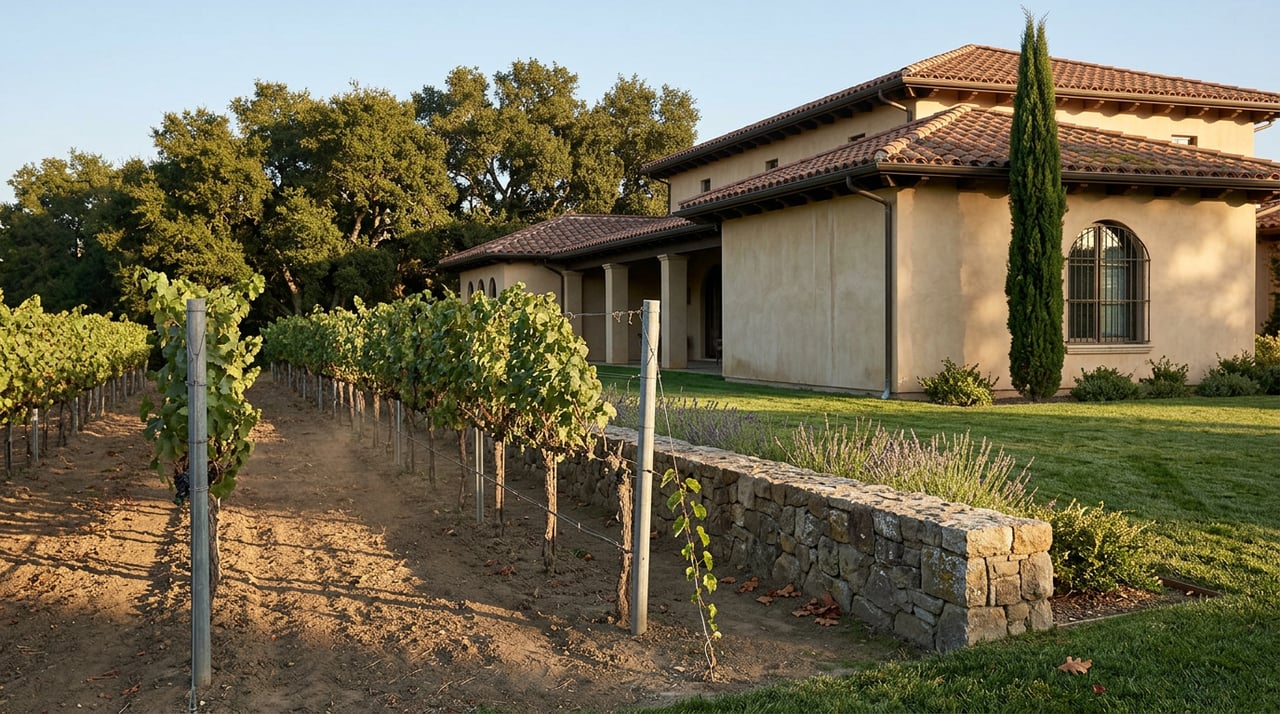
Temecula Valley Wine Country is one of the area’s clearest identity markers. It spans more than 33,000 acres, includes nearly 50 wineries, and is located mostly east of I-15 along Rancho California and De Portola Roads.
This is not just a visitor attraction on the edge of town. Wine Country helps shape how Temecula looks, feels, and markets itself, with warm days, cool nights, rural roads, and a landscape that sets it apart from many other inland communities.
Temecula also offers the practical side of daily life. The city highlights the Promenade Mall and Power Center for larger-format shopping, giving residents easy access to routine retail and errands.
That mix of practical amenities and lifestyle destinations is part of why Temecula often feels self-contained. You can handle day-to-day needs locally while still having places like Old Town and Wine Country nearby for a very different experience.
Temecula’s calendar helps reinforce a strong local feel. City and tourism sources highlight recurring events such as the Rod Run, CultureFest, the 4th of July parade, holiday lights, farmers markets, and live entertainment in Old Town.
For a relocating household, those events can make it easier to settle in and build new routines. Community life is not limited to private neighborhoods or weekend drives elsewhere, because a lot of it happens right in town.
Moving inland to Temecula can mean more sun, stronger access to trails and open space, and a lifestyle centered around local destinations like Old Town and Wine Country. It can also feel like a place where workdays and weekends have more separation, especially if you value home life, outdoor time, and a less coastal pace.
For some buyers, that shift is exactly the goal. Temecula offers a version of Southern California living that still feels connected to the region while delivering a different daily experience.
The tradeoff is real. You should expect more driving, more planning around freeway traffic, and less reliance on walkability or rail.
If you are coming from Orange County or coastal San Diego County, that may be the biggest practical adjustment. Temecula is close enough for day trips to the coast, but inland enough to feel meaningfully different in both pace and climate.
Temecula may be a strong fit if you want to stay within Southern California while changing how your days feel. It offers a blend of regional access, outdoor recreation, local events, established shopping, historic character, and Wine Country identity that gives it a lifestyle many buyers find appealing.
The key is understanding the tradeoff clearly. If you are comfortable with a car-first routine and want more sun, space, and local lifestyle anchors, Temecula can feel like a smart and satisfying move inland.
When you are comparing neighborhoods, commute patterns, or home styles, local guidance can make the decision much clearer. Luminescent Real Estate offers concierge-style support for buyers, sellers, relocations, rentals, and Temecula-area moves, so you can make your next step with confidence.
Stay up to date on the latest real estate trends.

You've got questions and we can't wait to answer them.