Buying A Long-Term Rental Home In Temecula
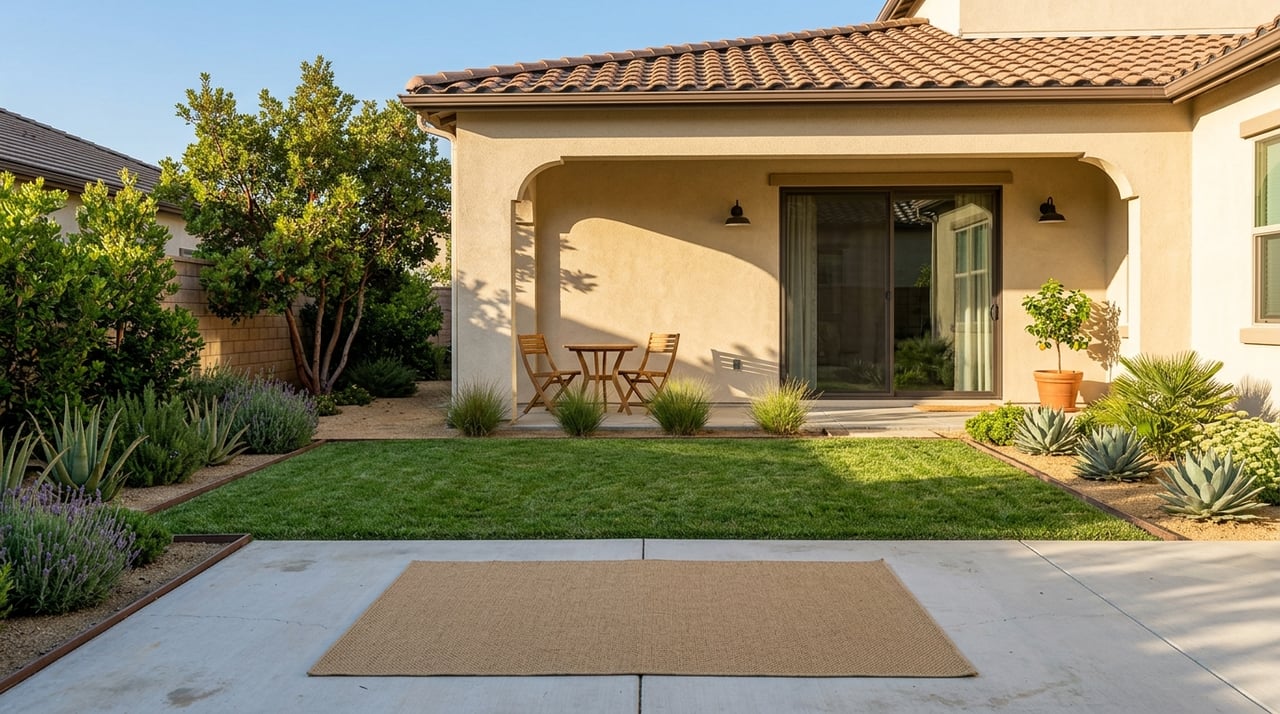
If you are thinking about buying a long-term rental home in Temecula, it is easy to get excited by the city’s growth and overlook the numbers that matter most. You want a property that leases well, holds value, and fits your goals without surprise costs cutting into returns. This guide will help you understand Temecula’s rental backdrop, the local property factors that can change your cash flow, and the California rules that should shape your buying strategy. Let’s dive in.
Temecula continues to show signs of a stable and growing housing market. The city’s population reached 114,865 as of July 1, 2025, and 86.7% of residents lived in the same house one year earlier. That kind of household stability can support longer lease expectations and potentially lower turnover than a more transient market.
The city also has clear rental pressure. Temecula’s Consolidated Plan identifies 6,070 households earning 0% to 80% of area median income as cost-burdened, with 4,645 severely cost-burdened households, including 2,965 renter households. That does not mean every rental property performs the same way, but it does suggest that long-term rental housing remains an important local need.
At the same time, you should underwrite carefully. In the Census Bureau’s 2020 to 2024 estimates, Temecula’s median gross rent is $2,347, while median monthly owner costs with a mortgage are $2,879. That gap of about $532 is a good reminder that you should not assume rent automatically covers ownership costs.
Temecula is not a one-size-fits-all rental market. The city’s housing stock is heavily weighted toward one-unit detached homes, which make up 78% of the housing stock according to the city’s Consolidated Plan. That gives you a different setup than a market dominated by large apartment inventory.
Rental stock in Temecula is more concentrated in smaller formats. Two-bedroom units make up the largest share of rental inventory, and one-bedroom units are also a major share. If you are buying a larger detached home as a rental, you will want especially careful rent-comparable analysis rather than relying on broad citywide averages.
One of the most important local details in Temecula is that neighborhood research should begin at the parcel level. The city uses 14 official Specific Plans to govern land use and development in defined parts of the city. Examples include Redhawk, Vail Ranch, Wolf Creek, Harveston, Roripaugh Ranch, Old Town, and Uptown Temecula.
Why does this matter to you as a buyer? Two homes with similar square footage can come with different rules, tax obligations, and development patterns depending on where they sit. Before you make an offer, it is smart to understand the specific plan tied to the property and how that area functions within the broader city.
A Temecula long-term rental can look very different depending on the home type. Because the city is dominated by detached homes, many buyers naturally focus on single-family properties. That can make sense, but it also means your rent expectations should be based on true comparable properties, not on apartment-style rental averages.
Older detached homes may also come with higher upkeep needs. Temecula notes that more than 90% of its housing was built since 1980, but homes that are now 20 to 30 years old may need work on paint, weatherization, HVAC, water heaters, roofing, foundation, and plumbing. A home that looks like a bargain at purchase may need stronger repair reserves than you first expected.
One of the biggest underwriting mistakes in Temecula is overlooking local assessments. The city says all property owners pay the Parks & Lighting Special Tax. For FY 2025 to 2026, the TCSD notice shows annual charges of $25.68 for residential street lighting, $363.68 for refuse and recycling, and $115.26 for unpaved road maintenance where applicable, while the Parks & Lighting tax itself was established at $74.44 per developed residential parcel.
Those costs may not seem dramatic on their own, but they add up. In a rental property analysis, every recurring charge affects your monthly cash flow and reserve planning. You should also remember that some neighborhoods carry additional district-based costs.
Temecula lists several community facility districts tied to specific areas, including Harveston, Wolf Creek, Crowne Hill, Roripaugh Ranch, Heirloom Farms, Altair, and Prado. The city notes that these debt issuances are obligations of property owners within district boundaries, not the city. That means a similar-looking home in a different neighborhood can carry a very different tax bill.
A smart rental purchase is not just about today’s lease rate. It is about how the property performs after taxes, assessments, repairs, leasing costs, and normal turnover. In Temecula, that means giving extra attention to the gap between median rent and median owner costs.
It also means being realistic about vacancy and leasing timelines. Because Temecula’s rental stock is concentrated in smaller units while the broader housing stock is dominated by detached homes, larger rental homes may need more careful rent analysis and a more conservative vacancy assumption. If your target tenant pool is narrower, your margins should be modeled with that in mind.
If you are exploring ways to add flexibility to a property, accessory dwelling units may come up in your search. Temecula allows ADUs and JADUs, which can create options depending on the parcel and the property layout. Still, you should evaluate the home based on a long-term residential leasing strategy, not a vacation-rental plan.
That is because Temecula explicitly says short-term rentals are not allowed in the city, including in ADUs and JADUs. For investors, this is a key point. A property that looks attractive because of guest-house potential still needs to pencil as a standard long-term rental asset.
State rules can materially affect the economics of your rental home, so it is worth reviewing them before you buy. California’s Tenant Protection Act, often called AB 1482, generally caps annual rent increases for covered units at 5% plus inflation, or 10%, whichever is lower. It also requires just cause for terminating certain tenancies.
Not every property is treated the same way. According to California Department of Real Estate guidance, housing with a certificate of occupancy issued within the previous 15 years is exempt, and many single-family homes and condominiums are exempt only if the required written notice is given. For that reason, one of the most important due-diligence steps is confirming whether your target property is covered or exempt and what notice requirements apply.
Security-deposit rules also changed on July 1, 2024. For most residential landlords, the maximum security deposit is one month’s rent, although some small landlords can still charge up to two months’ rent. The California Attorney General also states that deposits may be used only for unpaid rent, tenant-caused damage beyond ordinary wear and tear, cleaning to restore the unit to its original condition, and certain authorized personal property, and they must generally be returned with an itemized statement within 21 days after move-out.
Your management plan matters as much as your purchase price. If you plan to self-manage, you will need systems for marketing the home, screening applicants, handling repairs, documenting condition, collecting rent, and managing turnover. If you plan to hire help, licensing matters.
California Department of Real Estate guidance states that activities such as leasing, renting, soliciting tenants, and collecting rents on behalf of another for compensation generally fall within broker-licensed activity. If you outsource day-to-day management, make sure you carefully verify the manager’s licensing status. That step helps protect both your investment and your compliance.
Before you move forward on a long-term rental home in Temecula, focus on the items that most often change the deal economics:
Temecula can make sense for a long-term rental purchase, but only when you analyze it at the neighborhood and parcel level. The city’s stable household base, continued growth, and real rental pressure create opportunity, yet taxes, district charges, property condition, and California landlord rules can quickly reshape your numbers. The strongest buyers stay disciplined, ask detailed questions early, and build a strategy around realistic long-term performance.
If you want help comparing Temecula neighborhoods, reviewing property-level considerations, or finding a home that fits your rental goals, Luminescent Real Estate is here to guide you with local insight and thoughtful, concierge-style support.
Stay up to date on the latest real estate trends.
You've got questions and we can't wait to answer them.