Stuck between a condo and a townhome in Placentia? You’re not alone. On paper they can look similar, but the costs, responsibilities and lifestyle can be very different. In this guide, you’ll learn how ownership structures work in California, what HOA fees usually cover locally, the privacy and parking tradeoffs, and exactly which documents to review before you commit. Let’s dive in.
Condo vs townhome: what you actually own
In California, the legal setup matters more than the label. Both condos and townhomes fall under the Davis–Stirling Common Interest Development Act, which governs HOA budgets, disclosures and rules. What you own and maintain depends on the recorded documents for that specific community.
- Condominiums: You typically own the interior of your unit (often “drywall in”) and share ownership of common areas. The HOA usually handles the building exterior, roof, common systems and exterior insurance through a master policy.
- Townhomes: These can be set up two ways. Some townhomes are legally condos, which function like the description above. Others are PUDs, where you usually own the structure and the lot beneath it. In a PUD, you may be responsible for the roof and exterior while the HOA maintains shared areas.
The practical takeaway: never assume who fixes the roof, paints the siding or replaces fencing based on the listing label. The CC&Rs, plats and HOA budget spell out responsibilities.
How insurance differs
Your insurance depends on the legal structure and the HOA’s master policy.
- Condo unit owners usually need an HO-6 policy for interior finishes, personal property and liability. The HOA’s master policy commonly covers the exterior and common areas.
- Townhome owners in a PUD often carry an HO-3 policy that insures the building exterior and interior, since the owner typically maintains the structure.
- Master policies vary. Some are “bare walls,” some are “walls-in” or “all-in.” You need to confirm what the HOA’s policy covers and the deductible amount.
HOA fees and what they cover in Placentia
In Placentia and nearby North Orange County communities, HOA dues usually pay for a defined list of services. A higher monthly fee can reflect more included maintenance and amenities, not necessarily poor value.
Common HOA responsibilities you’ll often see include:
- Building exterior repairs and maintenance (roofs, siding, painting)
- Landscaping and irrigation in common areas
- Streets, driveways and exterior lighting inside the project
- Pools, spas, gyms and other amenities
- Elevator upkeep where applicable
- Garbage/trash service and common-area utilities
- Master insurance for common areas and building shells
- Management, accounting, legal fees and taxes on common property
- Reserve contributions for long-term repairs and replacements
Budgets, reserves and special assessments
HOAs prepare annual budgets that disclose operating expenses and reserve contributions. Many associations also complete a reserve study to forecast big-ticket repairs and funding needs. You want to see consistent reserve funding and recent studies.
Watch for:
- Reserve study recency and funded percentage
- History of special assessments and board policy on using them
- Delinquency rate for owner dues, which can pressure future budgets
Frequent special assessments, outdated reserve studies or high delinquency are warning signs. Strong reserves reduce the likelihood of surprise assessments later.
Insurance and deductibles
Confirm whether the HOA’s master policy is “bare walls,” “walls-in” or “all-in,” and get the declarations page. A large deductible can lead to owner assessments if there’s a claim. Ask for recent claims history as well.
Cost comparison: condo vs townhome
It’s smart to compare total ownership cost, not just the headline HOA fee. A condo with a higher HOA might still be cheaper overall if it includes exterior maintenance, water, trash and robust insurance coverage.
Illustrative example (for concept only):
- Example HOA budget: 50 units, $300,000 annual operating budget. That pencils to about $500 per month per unit. Line items might include management, landscaping, insurance, utilities, maintenance and a reserve contribution.
- If that condo HOA covers the roof, exterior paint, landscaping, trash and a strong master policy, your personal out-of-pocket may be limited to an HO-6 policy and interior upkeep.
- A PUD townhome might have lower monthly dues, but you could pay separately for exterior insurance, landscaping, roof replacement and exterior paint on your own schedule. The net cost depends on actual bids and timelines.
The goal is to compare apples to apples. Add up HOA dues, personal insurance and realistic maintenance over several years for each property you’re considering.
Privacy, parking and lifestyle tradeoffs
Beyond dollars, consider how you want to live.
- Condos: Often in stacked or multi-unit buildings with shared walls, floors and hallways. Private outdoor space may be limited, and noise transmission depends on building age and construction. Amenities are common.
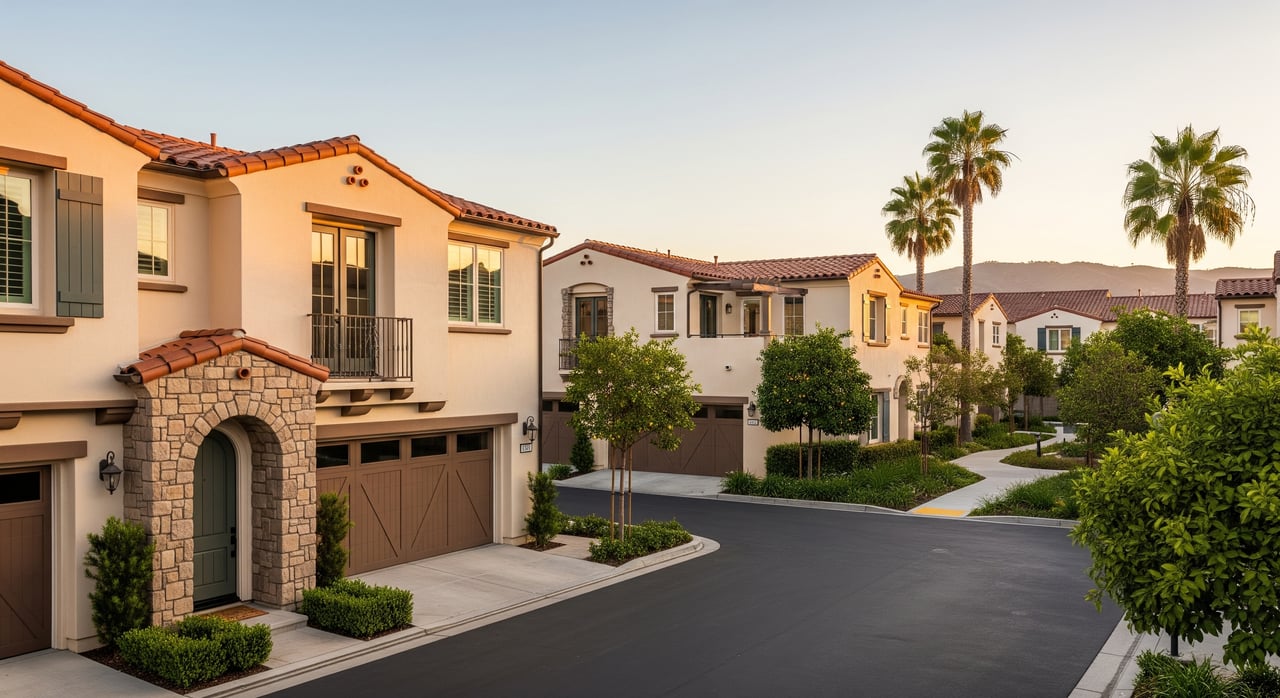
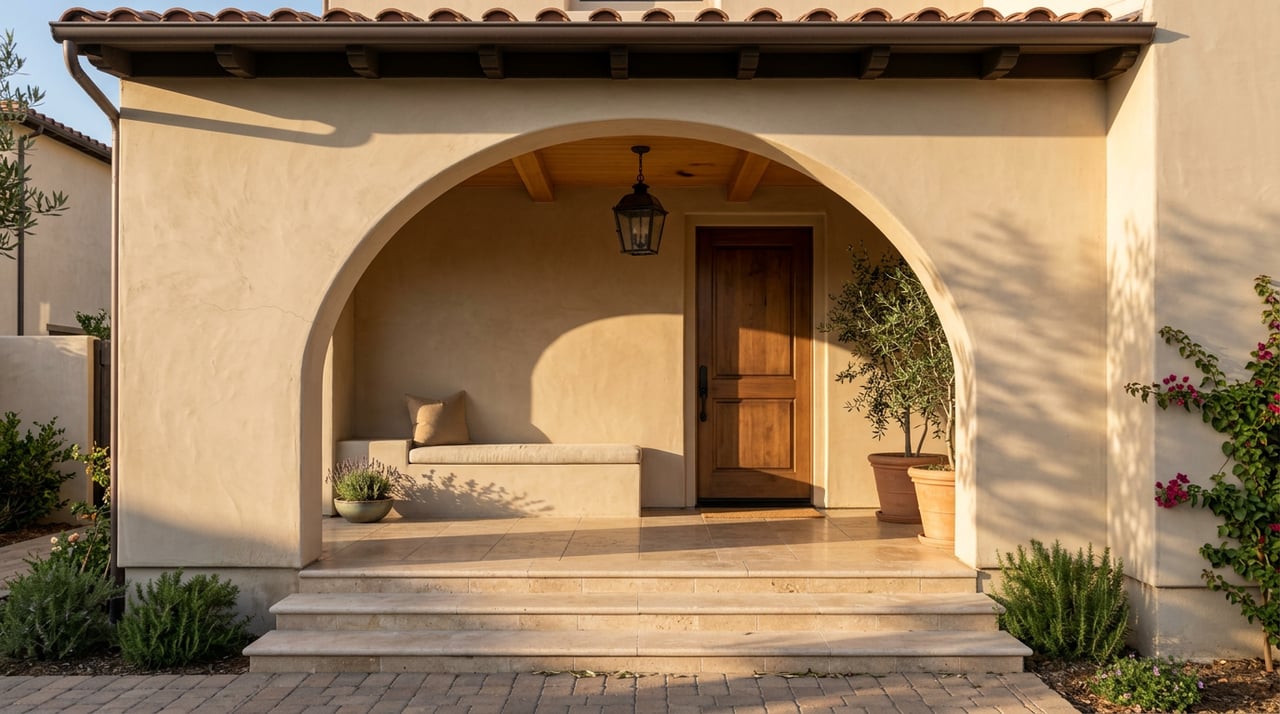
- Townhomes: Typically multi-level with private entries, garages and small yards or patios. You may feel more privacy. Responsibilities for fences, yards and exterior elements still depend on the documents.
Parking realities around Placentia
- Condos: Expect assigned parking like carports or garage spaces, with guest parking governed by HOA rules. Older complexes may have limited guest spaces.
- Townhomes: Commonly include private garages and driveways. Street parking near Old Town Placentia or transit areas can be restricted by city rules, so check both HOA rules and local ordinances.
Amenities and maintenance
- Condos often provide pools, gyms and clubhouses. These add lifestyle value and raise HOA operating costs and reserves.
- Townhome communities may have fewer shared amenities, which can keep dues lower, but owners may shoulder more direct maintenance and insurance costs.
Must-read documents before you write an offer
The documents decide the dollars. Obtain and review the full resale packet for any Placentia condo or townhome you’re considering. Key items include:
- Recorded CC&Rs (Covenants, Conditions & Restrictions)
- Bylaws and Articles of Incorporation
- Rules and Regulations (pets, parking, use rules)
- Recent board meeting minutes and agendas (6–12 months)
- Current operating budget and prior year actuals
- Most recent reserve study and funding plan
- HOA insurance declarations and recent claims history
- Resale certificate with required disclosures
- List of pending litigation or claims
- Assessment and delinquency reports
- Management company agreement
- Architectural guidelines and modification process
- Any Mello-Roos or special tax disclosures
- Project map/plat showing boundaries and parking assignments
Key clauses to check closely
- Maintenance allocation: Roofs, exterior walls, windows, fencing, decks, driveways and private yards
- Insurance coverage and deductibles: Master policy type and limits
- Reserve contributions and current funded percentage
- Special assessment authority and history
- Delinquency collection policies and bad debt reserves
- Rental/lease restrictions: Minimum lease terms, rental caps, owner-occupancy rules
- Parking assignments, tandem rules, towing policies and fines
- Architectural review timelines, fees and allowed changes
- Use restrictions: Pet policies, noise rules, satellite/solar guidelines
- Move-in/out rules: Time limits, deposits, elevator reservations
- Voting rights and quorum requirements for major decisions
- Transfer fees and who pays for the resale packet
Red flags to take seriously
- Low or zero reserves and no recent reserve study
- Repeated or large emergency special assessments
- Pending litigation, especially construction defect or insurance disputes
- High delinquency rate for dues (for example, over 10–20%)
- Ambiguous or conflicting maintenance language in the CC&Rs
- Missing or incomplete resale disclosures
- Project-level debt or negative audit findings
Financing, taxes and insurance in Orange County
Financing can differ for condos and townhomes, and your monthly HOA dues affect loan qualification.
- Condo project eligibility: Some loan programs require project-level approval. High rental concentrations or active litigation can impact eligibility.
- Debt-to-income ratios: Lenders count monthly HOA fees as part of your obligations.
- HOA health matters: Lenders review reserve funding and delinquency rates, which can influence your loan terms.
For property taxes, Orange County’s base rate is roughly 1% of assessed value, plus voter-approved assessments and any Mello-Roos special taxes. Newer developments often include Mello-Roos, which can materially increase your annual bill. These taxes appear on the title report and tax statements and are separate from HOA dues.
Insurance is tied to the legal structure and master policy. Condo buyers usually need HO-6 coverage for interiors and loss assessment. Townhome buyers who own the structure and lot usually need HO-3 coverage that includes the exterior. Get quotes after you review the HOA’s master policy and deductibles so you understand potential gaps.
How to choose the right fit in Placentia
Start with your priorities, then confirm the numbers in the documents.
- If you want a low-maintenance lifestyle with amenities, a condo regime where the HOA handles exterior items may fit best.
- If you want more control over exterior appearance and a private garage and yard, a PUD townhome may be the right match.
- For location: Areas near Old Town Placentia and transit nodes often have denser, stacked condos with tighter parking. Suburban tracts lean toward townhomes with private entries and garages.
- If you are considering renting out the property now or later, read rental restrictions carefully, especially near employment and university hubs where demand can be strong but rental caps or minimum lease terms may apply.
Practical next steps:
- Request the full HOA resale packet before you finalize an offer.
- Review CC&Rs, budgets, reserve studies, insurance declarations and meeting minutes.
- Ask for a delinquency report and any disclosures about pending litigation.
- Confirm whether the property is subject to Mello-Roos or special taxes.
- Get insurance quotes aligned to the master policy and your responsibilities.
- Check with your lender early about project approval and loan options.
When you’re ready to compare specific Placentia communities side by side, a guided review of the documents and fees can make your decision clear and confident.
Ready to weigh your options with a calm, step-by-step approach? Reach out to the team at Luminescent Real Estate for concierge guidance tailored to your goals.
FAQs
What costs are typically higher for Placentia condos vs townhomes?
- Condos usually have higher monthly HOA dues because the HOA often covers exterior maintenance, roof, building insurance, landscaping and common utilities; townhomes may have lower dues but higher direct costs for exterior maintenance and insurance.
How do I confirm who pays for the roof or exterior paint in a specific community?
- Read the CC&Rs and the maintenance allocation table in the recorded documents, which specify owner versus HOA responsibilities for roofs, siding, fencing, decks and driveways.
What is Mello-Roos in Orange County and how does it affect my budget?
- Mello-Roos is a special tax often found in newer developments that adds to your annual property tax bill and is separate from HOA dues; review the title report and tax statements to see if it applies.
Can HOA fees increase soon after I buy a condo or townhome?
- Yes, dues can rise; review recent budgets, meeting minutes and the reserve plan to gauge the likelihood of increases or special assessments.
What insurance do I need for a Placentia condo versus a PUD townhome?
- Condo owners typically need an HO-6 policy for interiors and loss assessment, while PUD townhome owners usually need an HO-3 policy covering the exterior and interior; verify the HOA’s master policy and deductible first.
How does parking typically work in Placentia condo and townhome communities?
- Condos often use assigned carports or garage spaces with HOA-governed guest parking, while townhomes commonly include private garages and driveways; always check HOA rules and any city parking restrictions near Old Town or transit areas.