Is House Hacking In Murrieta Right For You
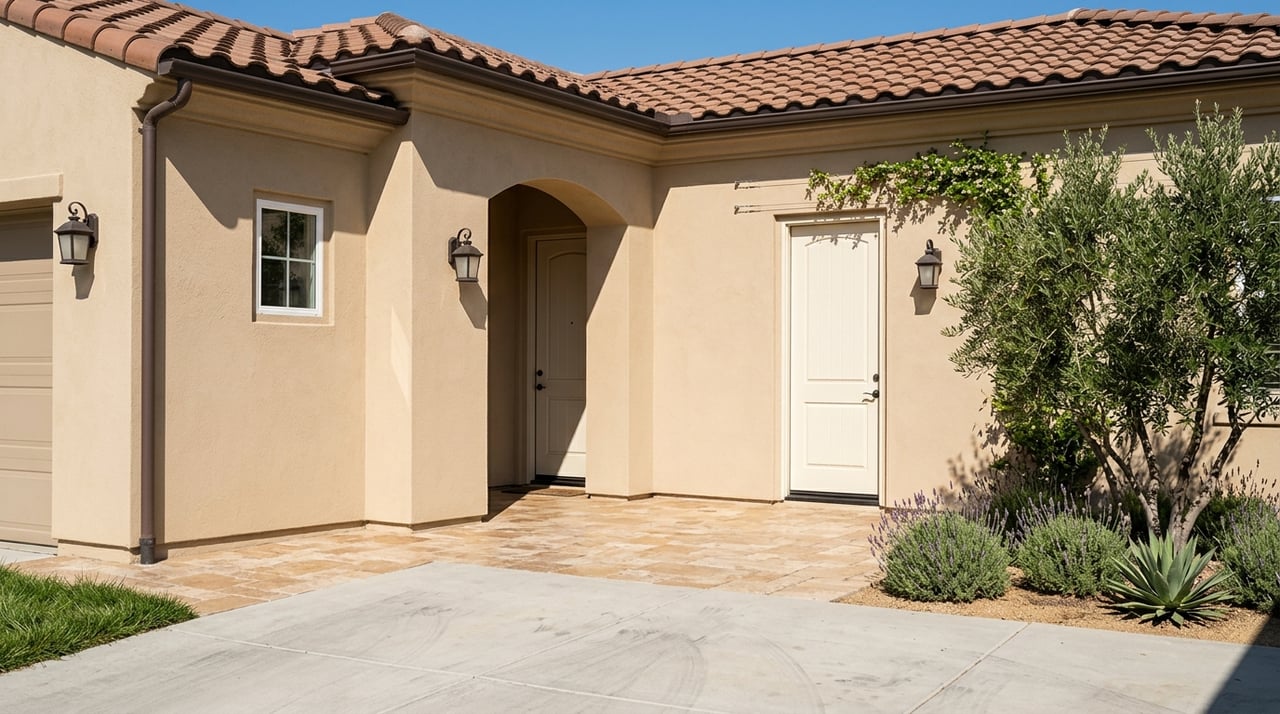
Wondering if house hacking in Murrieta is a smart way to make homeownership more affordable? If you like the idea of living in your home while using rental income to help offset your monthly costs, this strategy can be appealing, especially for first-time buyers and budget-conscious move-up buyers. The key is knowing what actually works in Murrieta, what the city allows, and where the extra complexity starts. Let’s dive in.
House hacking usually means you live in the property and rent out part of it to help with housing costs. In Murrieta, the most realistic versions are often renting a room, leasing a permitted ADU or JADU, or operating a permitted short-term rental.
That matters because Murrieta treats these uses differently under its local code. A casual roommate setup, an accessory dwelling unit, and a short-term vacation rental are not all regulated the same way, so your best option depends on the property and your comfort level with rules and ongoing management.
For many buyers, house hacking is really about flexibility. You may want help covering your mortgage, a way to ease into homeownership, or a property that gives you options over time.
It can also create a path to long-term use. A spare bedroom might help now, while a permitted ADU or JADU could become a more structured rental arrangement later if the property supports it.
If you are thinking about renting out a room in your Murrieta home, the first thing to know is that not every room rental is treated the same way. Murrieta defines a rooming or boarding house as a residence where three or more rooms are rented separately under separate rental agreements or leases, whether or not the owner lives there.
That means renting one room, or in some cases two rooms, is not automatically the same regulatory category. But once you move into separately renting multiple rooms, city review can become important.
Murrieta’s accessory-use rules say a rooming or boarding house may be established only with a conditional use permit for six or fewer occupants. It is prohibited above six.
The practical takeaway is simple: if your plan is just one roommate, it may be a much more straightforward setup than trying to create a multi-room rental model. If you are considering several separate leases, you will want to understand how the city classifies that use before you move forward.
A room rental may fit you if you:
A room rental may be a weaker fit if you strongly value privacy or do not want the day-to-day reality of sharing your home with someone else.
For many Murrieta buyers, an ADU or JADU is the most structured house-hacking option. Murrieta allows one ADU and one JADU on a lot with an existing or proposed single-family dwelling.
A conforming ADU does not count against density and may be rented separately from the primary residence under California law. That can make an ADU especially attractive if you want clearer separation between your living space and your rental space.
An ADU can offer more privacy than a roommate setup. Instead of sharing your kitchen, hallway, or living room, you may have a more independent rental unit on the same property.
Murrieta also has a pre-approved ADU program intended to help speed permitting. On top of that, state law requires ADU applications to be reviewed ministerially, with completeness noticed within 15 business days and approval or denial within 60 days after a complete application.
Murrieta requires one additional off-street parking space for an ADU unless an exception applies. That means your lot layout can play a big role in whether an ADU plan is realistic.
For JADUs, owner occupancy depends on the setup. Current state law requires owner occupancy only when the JADU shares sanitation facilities. If the JADU has separate sanitation facilities, owner occupancy is not required under current state law.
This route may fit you if you:
It may be less ideal if you want immediate rental income from day one and the property does not already have permitted accessory space.
Some buyers hear “house hacking” and immediately think of Airbnb-style income. In Murrieta, that path is possible in some cases, but it comes with more compliance work than many people expect.
Murrieta defines a short-term vacation rental as a single-family dwelling or condominium rented for 30 consecutive days or less. To operate one, the owner must hold the city permit and business license, designate a responsible person age 21 or older, allow inspections, and comply with monthly transient occupancy tax reporting and remittance.
Unlike a standard long-term room rental or an ADU lease, a short-term rental involves ongoing operational requirements. Even if you use an agent for day-to-day operations, the permit still has to be held by the owner.
That makes short-term rental house hacking a more hands-on strategy. If you want something passive or low-maintenance, this may not be the easiest fit.
Many buyers want to know whether projected rental income can help them buy. In some cases, yes, but lenders usually do not count it at full face value.
FHA single-family programs are limited to owner-occupied principal residences and include one- to four-family properties. Fannie Mae says ADUs can be financed with standard purchase or refinance products, and ADU rental income may help qualify on a one-unit principal residence in certain transactions.
CFPB Appendix Q also says rental income from roommates or boarders in a single-family primary residence is acceptable when documented, and rental income from consumer-occupied property may be counted after vacancy and maintenance factors. In real life, that means projected rent can help, but documentation and lender standards matter.
House hacking tends to work best when your personality and goals match the strategy. It is not just a math decision. It is also a lifestyle decision.
You may be a strong fit if you are comfortable living on site, can handle some landlord responsibilities, and have reserves for vacancies or repairs. You may be a weaker fit if you want maximum privacy, minimal rule-following, or you are counting on best-case short-term rental income to make the purchase work.
House hacking in Murrieta may be worth a closer look if:
It may not be the right strategy if:
If you are shopping with house hacking in mind, focus on properties that match a realistic local strategy. In many cases, that means a single-family home with a practical room-rental setup or a property with permitted accessory space.
Look closely at layout, parking, and whether the home already has documented improvements. For ADU-friendly properties especially, legality and financing matter, so clear documentation can be a major advantage.
If you are selling a Murrieta home that could appeal to house hackers, permitted accessory space can make a difference. Buyers often want confidence that the setup they see is legal and usable as intended.
That means documentation matters. If your property has a permitted ADU, JADU, or other clearly documented accessory space, that can help buyers better understand the opportunity and reduce uncertainty during the sale process.
For most buyers in Murrieta, house hacking is usually most viable as an owner-occupied single-family strategy. The most practical paths are often a roommate arrangement or a permitted ADU or JADU.
Short-term rentals and multi-room rental models can be possible, but they usually come with more regulatory friction and more hands-on management. If you want to explore whether a specific home fits your goals, working with a local team that understands Murrieta property use, buyer strategy, and practical next steps can help you move forward with more confidence.
If you are thinking about buying or selling a house-hack-friendly home in Murrieta, Luminescent Real Estate offers warm, local guidance to help you evaluate your options and make a confident move.
Stay up to date on the latest real estate trends.
You've got questions and we can't wait to answer them.