Designing A Temecula Home For Indoor-Outdoor Living
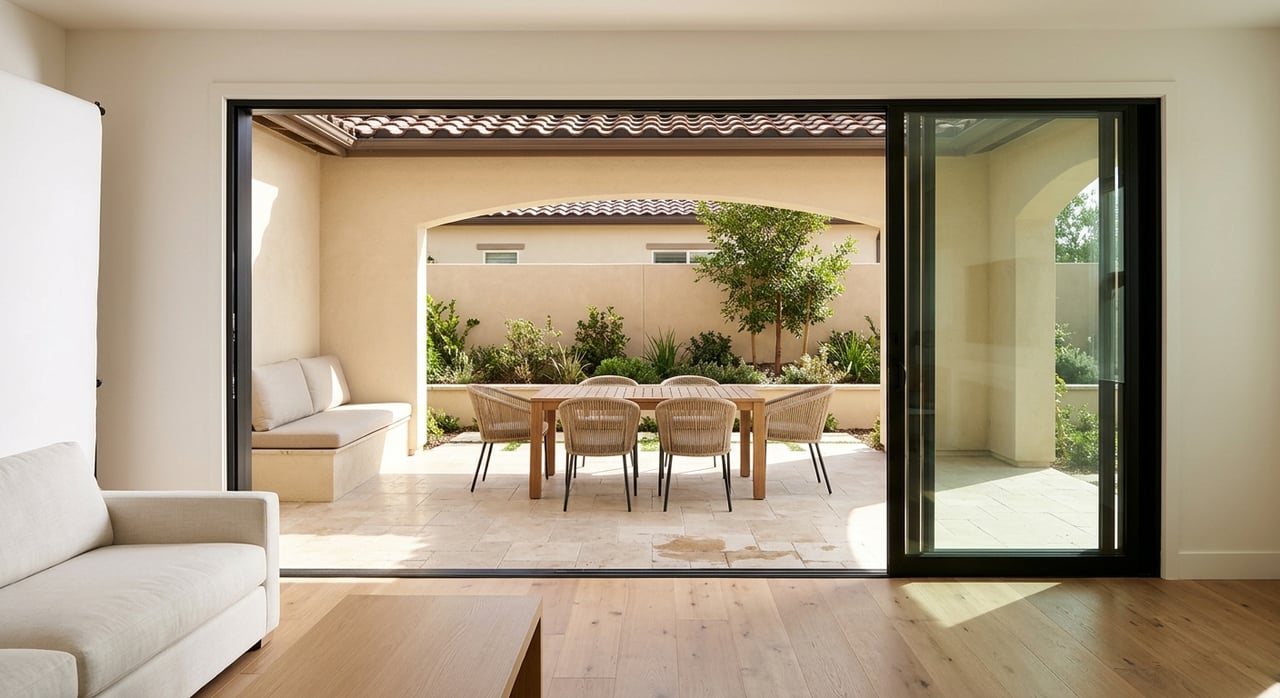
If you live in Temecula, your backyard can do more than look nice. With long sunny seasons, mild winters, and an outdoor-focused local lifestyle, your home has real potential to feel bigger, more comfortable, and more useful through thoughtful indoor-outdoor design. The key is creating space that works with Temecula’s climate, not against it. Let’s dive in.
Temecula’s climate makes outdoor living especially practical for much of the year. City information describes a warm Mediterranean climate, with average daily temperatures in the mid-70s, winter daytime temperatures generally in the mid-60s to low 70s, and about 15 inches of rain annually, mostly between December and March.
That said, comfort matters just as much as sunshine. Summer highs can exceed 100°F, and winter nights can drop into the 30s or 40s, so the best outdoor spaces are not just open patios. They are designed with shade, airflow, and shelter in mind.
This also fits the way many people picture life in Temecula. The city highlights wine country, golf, parks, trails, and outdoor recreation as part of its local identity, so indoor-outdoor living often feels like a natural extension of the area rather than a trend.
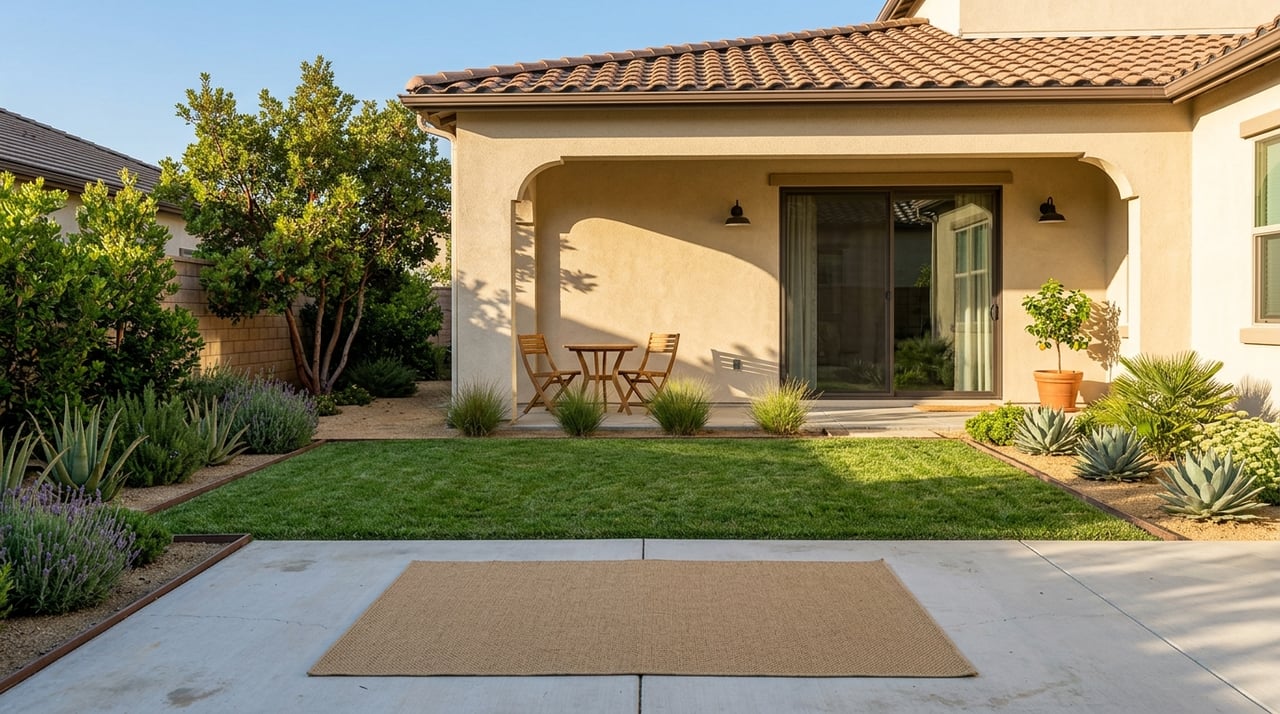
A great indoor-outdoor home usually begins with the transition between the house and the yard. When your main living area has a direct visual line to the patio or outdoor seating zone, the whole home can feel more connected and more spacious.
In practical terms, that may mean larger openings to the backyard, a clear path from the great room or kitchen to the patio, and a layout that makes the outdoor area feel like a second living room. Even simple changes can help if they make the outside space feel intentional instead of separate.
For many Temecula homeowners, the goal is not building a resort-style yard. It is creating a comfortable, finished extension of daily life where you can relax, dine, or gather without feeling exposed to the weather.
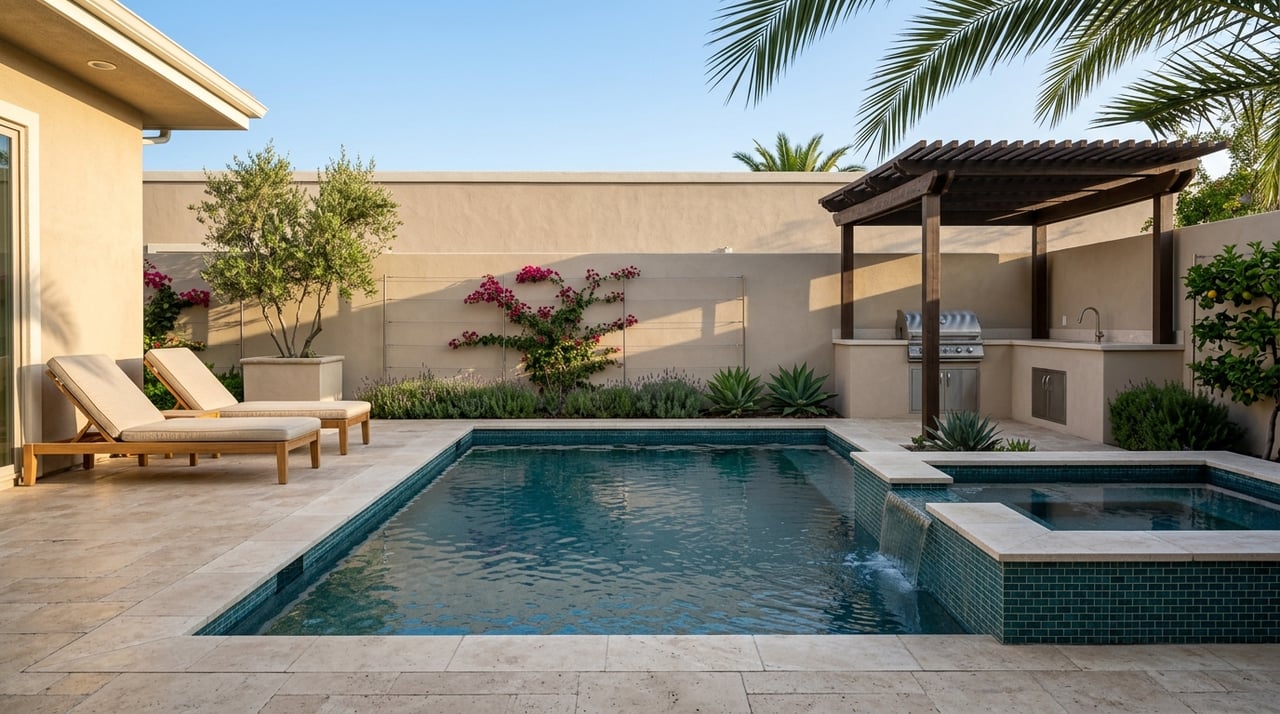
In Temecula, shade is one of the most important design features you can add. The city’s heat-preparedness guidance specifically recommends shade trees or pergolas, especially on west-facing walls, where afternoon sun can make outdoor spaces much harder to use.
If your patio gets strong late-day sun, a pergola, patio cover, or retractable awning can make a major difference. Covered or partially covered seating tends to work better here than a fully exposed patio because it helps reduce heat buildup while extending the space into cooler seasons.
You can also think about heat control in layers. Overhead cover, trees, and thoughtful plant placement can work together to make the area more comfortable without overbuilding the yard.
Temecula’s outdoor season is long, but it is not the same every month. Mild winter days can still be enjoyable outside, yet cool evenings and occasional rain make some protection especially valuable.
That is why covered seating often delivers more day-to-day value than purely decorative outdoor features. A space with overhead cover, good airflow, and durable materials can stay useful through hot afternoons, cool nights, and the rainy stretch from December through March.
When you think about design choices, aim for flexibility. The best outdoor rooms in Temecula usually offer both sun and shade so you can use the space comfortably in different conditions.
Temecula homeowners should think beyond appearance when selecting outdoor finishes and structures. City design criteria list wind speed at 97 mph with Exposure C, rainfall at 3 inches per hour, and Climate Zone 10, so durability matters.
That does not mean every feature has to feel heavy or oversized. It does mean your patio cover, lighting, and surface materials should be chosen with local weather and long-term use in mind.
If lighting is part of the plan, Temecula notes that LED fixtures should be fully shielded and 3000K or below. This is a useful guideline if you want your outdoor space to feel inviting while staying aligned with local standards.
Landscaping plays a big role in indoor-outdoor living, especially if you want a yard that feels finished without becoming a weekly burden. In Southern California, outdoor water use can account for up to 70% of residential water consumption, according to Rancho Water’s In Bloom program.
That makes climate-appropriate landscaping a practical choice, not just a style preference. Replacing water-intensive turf with lower-water plantings, mulch, and efficient irrigation can help reduce upkeep while keeping your yard attractive and functional.
Rancho Water currently offers rebates for turf replacement, irrigation controllers, sprinkler nozzles, rain barrels or cisterns, and soil moisture sensor systems. The district also offers a discounted mulch purchase program, which can support a more sustainable landscape plan.
If your project includes a new patio cover, deck, electrical work, gas lines, walls, grading, or major hardscape, it is smart to check the permit path early. The City of Temecula’s patio and deck guidance states that plans are reviewed for life-safety compliance and permits are issued after approval and fee payment.
The city’s standard attached patio cover plan calls for five-foot side and rear post setbacks. The freestanding lattice patio cover standard also notes compliance with the 2025 California Wildland-Urban Interface Code, which is especially relevant for outdoor structures.
Temecula also notes that it does not review landscape changes for individual homeowners, though HOA approval may still apply. Even so, permits are still required for work that triggers building rules, so it helps to separate cosmetic landscape updates from projects that involve structures or utilities.
A beautiful outdoor design should also be practical behind the scenes. If your project adds hardscape or grading, the city’s stormwater and runoff requirements may come into play, which makes drainage an important part of planning.
Fire-aware design is also worth considering in Temecula. The city’s fire-hazard map materials explain that updated hazard zones are based on climate data, fire history, land features, and wildfire models, so material choices and plant placement deserve attention.
You do not need to turn a lifestyle project into a technical one. But choosing durable, climate-aware, and thoughtfully placed features can help you create an outdoor area that feels safer and more resilient over time.
If you are thinking about future resale, indoor-outdoor design can be a smart area to prioritize. Buyer research shows strong interest in patios, exterior lighting, front porches, and landscaping, and design trend coverage also points to continued interest in pergolas, outdoor kitchens, and outdoor fireplaces.
In Temecula, the most marketable outdoor spaces are usually not the most elaborate ones. They are the spaces that feel complete, comfortable, and easy to maintain.
For many homeowners, that means focusing on features like:
These improvements line up well with both local climate needs and broad buyer preferences. They also help your home feel more usable today, which is often just as important as resale later.
The best indoor-outdoor living spaces are not built around trends. They are built around how you actually live.
If you love casual dinners outside, prioritize covered dining space near the kitchen. If you want a quiet morning retreat, focus on shade, privacy, and comfortable seating. If you are preparing your home for sale, aim for a finished look that feels welcoming and easy to maintain.
In Temecula, thoughtful indoor-outdoor design is less about excess and more about function. When the layout, shade, landscaping, and materials all work together, your home can feel more connected to the way people want to live here.
Whether you are buying a home with backyard potential or preparing to sell one with outdoor appeal, Luminescent Real Estate can help you see what adds comfort, value, and local market appeal. Let’s illuminate your next move.
Stay up to date on the latest real estate trends.
You've got questions and we can't wait to answer them.