Leave a Message

By providing your contact information to Luminescent Real Estate, your personal information will be processed in accordance with Luminescent Real Estate's Privacy Policy. By checking the box(es) below, you consent to receive communications regarding your real estate inquiries and related marketing and promotional updates in the manner selected by you. For SMS text messages, message frequency varies. Message and data rates may apply. You may opt out of receiving further communications from Luminescent Real Estate at any time. To opt out of receiving SMS text messages, reply STOP to unsubscribe.

Thank you for your message. We will be in touch with you shortly.

Relocating to Oceanside: Neighborhoods, Commute, and Beach Access

Relocating to Oceanside: Neighborhoods, Commute, and Beach Access

Moving to Oceanside can feel like a big leap, especially if you are coming from out of the area or commuting to Camp Pendleton. You want the right neighborhood, an easy commute, and quick beach access without the stress. This guide breaks down how Oceanside’s coastal and inland areas differ, what your commute could look like, where to park by the beach, and how to match your budget to your lifestyle. Let’s dive in.

Oceanside at a glance

Oceanside sits on the north coast of San Diego County, just south of Camp Pendleton and north of Carlsbad. You will use I-5 and SR-76 for most drives, and the Oceanside Transit Center anchors regional rail service. For city services, beach rules, and parking updates, start with the City of Oceanside’s official site.

It is a mid-sized coastal city with a mix of walkable blocks near the Pier and Harbor and quieter suburban streets inland. Summer and holiday weekends bring more visitors, heavier traffic near the coast, and tighter parking. For quick facts about the community, the U.S. Census QuickFacts page offers a helpful snapshot.

Neighborhoods: coastal vs. inland

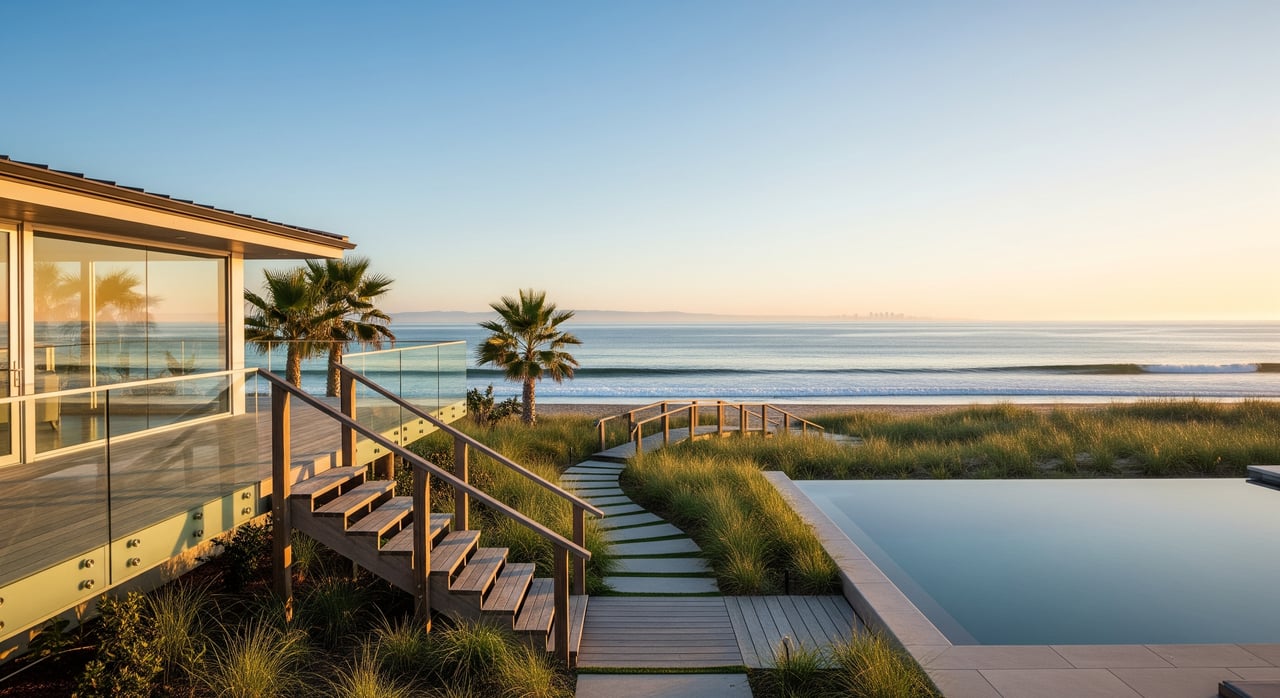
Coastal areas tend to be more walkable with smaller lots, condos and townhomes, and higher prices due to ocean views and direct beach access. You will also see more tourist activity, tighter parking, and livelier weekends. Inland areas usually offer larger lots, more single-family homes, easier street parking, and lower cost per square foot. You trade a quick beach walk for more space and a quieter feel.

Coastal options and subareas

  • Downtown and Pier Corridor: Short blocks to the beach, condos and apartments, restaurants and shops. Great for walkability and nightlife. Expect limited parking and busier weekends.
  • Harbor and North Coast: Access to Oceanside Harbor and Harbor Beach, boating and dining, and a mix of harbor-front homes and cottages. Parking is available in harbor lots but can be competitive in summer.
  • South Oceanside and Coast Highway: Near the Carlsbad border, a blend of single-family homes close to the shore and small multiunit buildings. Street parking varies block by block.

Common home types here include condos and townhomes with HOA dues, older beach cottages, and select ocean-view or oceanfront homes that carry notable premiums.

Inland options and subareas

  • San Luis Rey, Mission, Melrose, Via Linda areas: Traditional suburban neighborhoods with single-family homes, larger yards, and convenient access to shopping and parks.
  • East and Foothills: Quieter, more rural-feeling pockets at higher elevations. Longer drives to the beach and closer proximity to inland corridors.

These areas work well if you want more space, a garage or driveway for beach gear, and easier everyday parking. Newer planned subdivisions are more common on the eastern edges and in nearby cities.

Commute: Camp Pendleton and San Diego

Commuting to Camp Pendleton

Camp Pendleton’s south and southwest gates are just north of Oceanside. Depending on your neighborhood and gate, many drives fall in the 5 to 20 minute range in typical traffic. Shift changes and rush hours can add time, so it pays to plan. For base access details, passes, and on-base parking or shuttles, check the Camp Pendleton official site.

If base access is your top priority, northern coastal neighborhoods near the Harbor and northern inland pockets generally reduce gate travel. East-side inland neighborhoods can still be quick if you align with the right gate.

Commuting to downtown San Diego

Driving via I-5 to downtown San Diego typically ranges from about 30 to 60 minutes or more, depending on traffic. Expect slower southbound mornings and northbound evenings. Weekend events and beach traffic can add delays.

Many residents skip freeway congestion with rail. The COASTER commuter train runs from the Oceanside Transit Center to downtown’s Santa Fe Depot. Schedules vary, but trips are about an hour. For fares, parking, and real-time info, visit the North County Transit District. The Amtrak Pacific Surfliner also serves the route with regional service and competitive travel times. Compare schedules on the Pacific Surfliner site.

Practical commute tips

  • Choose your neighborhood based on the Camp Pendleton gate you will use. Gate choice can outweigh everything else.
  • Consider rail on high-traffic days. Park-and-ride at the Transit Center can fill early, so arrive ahead of the rush.
  • Use live traffic and transit alerts and add buffer time during tourist season and holidays.

Beach access and parking

Major beach access points

  • Oceanside Pier and City Beach: Easy access from downtown with restrooms, shops, and dining close by. Heaviest foot traffic in summer.
  • Harbor Beach and Harbor area: North of the pier with boat launches, restaurants, and harbor parking lots.
  • South Coast segments: Toward Carlsbad you will find additional beaches and nearby state beach options.

For current rules, facilities, and maps, check the City of Oceanside beach and parking pages.

Parking rules and tools

Beach lots and some city areas use meters or pay stations. Street parking near downtown and the harbor often has time limits and residential permit zones, so read signs closely. Mobile payment makes it easier to pay and extend time without returning to the car. The ParkMobile app operates in much of the coastal zone.

Summer weekends and holidays bring stricter enforcement and early lot fill. If you want free or easier parking, aim for weekday or early morning visits and explore less busy access points where signage allows.

Safety and seasonality

Major beaches usually have lifeguard coverage in peak seasons. Ocean conditions and rip currents change daily, so check local advisories and surf reports. For tide times that affect beach width and certain breaks, use NOAA tide predictions.

Budget and lifestyle tradeoffs

What your budget buys

Housing costs vary by proximity to the water. Coastal homes and ocean-view properties command premiums for convenience and views, while inland homes usually offer more space for the price. Here are approximate ranges to frame expectations:

  • Rentals per month: studio or 1-bedroom near downtown or inland about $1,800 to $2,800. Two to three bedrooms inland about $2,200 to $3,500. Coastal premium and short-term rentals often run higher.
  • Purchases:
    • Entry-level condos and townhomes: roughly $450,000 to $800,000.
    • Mid-range single-family inland: about $650,000 to $1.1 million.
    • Coastal or ocean-view single-family: often $900,000 to $3 million or more.

Homes right by the beach or with unobstructed views often sell for a 25 to 50 percent premium over similar inland homes nearby. Exact premiums vary by block, condition, and demand.

Ongoing costs to plan for

  • HOA dues: common for coastal condos and townhomes. Confirm what is covered and any parking rules.
  • Insurance: coastal exposure can mean higher premiums. Low-lying areas may require or benefit from flood insurance. Review the FEMA flood map for property-specific risk.
  • Maintenance: salt air accelerates wear on metal, HVAC, and vehicles. Budget for more frequent upkeep.
  • Commute costs: fuel, parking at commuter hubs, and vehicle wear if you drive daily.

Quick lifestyle checklist

  • Shortest commute to Camp Pendleton: Target northern coastal or northern inland neighborhoods near your gate.
  • Everyday walk-to-beach lifestyle: Expect higher prices, more activity, and tighter parking.
  • More space and quieter streets: Focus on inland neighborhoods like San Luis Rey, Via Linda, and east-side pockets.
  • Rail commuter to San Diego: Live near the Oceanside Transit Center for easier COASTER access.

Tips for military families

Check your BAH for Oceanside zip codes and coordinate with the Camp Pendleton housing office for guidance on on-base vs. off-base options, gate hours, and procedures. If you are unsure which neighborhood will fit best, consider a flexible lease for the first 6 to 12 months while you test your routine. For base access and housing contacts, start with the Camp Pendleton site.

Your next step

If you want help matching your priorities to the right Oceanside neighborhood, we are here to make it simple. From narrowing coastal vs. inland choices to arranging tours that align with your commute and beach routine, our team can guide you with clarity and care. Connect with Luminescent Real Estate to start a plan that fits your move.

FAQs

Which Oceanside neighborhoods are closest to Camp Pendleton gates?

  • Northern areas like the Harbor, northern downtown, and nearby inland pockets often provide the quickest access, but the best choice depends on which gate you use and its hours.

How long is the Oceanside to downtown San Diego commute without traffic?

  • Driving via I-5 often lands between 30 and 60 minutes or more depending on time of day; the COASTER and Pacific Surfliner offer rail options of about an hour, schedule dependent.

Where can I find official beach rules and parking info in Oceanside?

  • Use the City of Oceanside’s site for beach, parking, and seasonal updates, and consider a mobile parking app like ParkMobile for easy payment at coastal lots.

Are parking citations common near the Pier and Harbor?

  • Enforcement is steady in city lots and permit zones, especially on summer weekends and holidays, so pay at meters or via app and check time limits.

Do I need flood insurance for a coastal home in Oceanside?

  • It depends on the property’s location and elevation; check FEMA’s flood maps and talk with your insurer to evaluate risk and any lender requirements.

Let's Talk

You've got questions and we can't wait to answer them.