Choosing a Temecula Wine Country home can feel exciting and a little overwhelming. You might be picturing sunset views over vines while also wondering about wells, commute times, or weekend visitor traffic. In this overview, you’ll learn how the area is organized, what lot sizes and utilities to expect, lifestyle trade-offs by micro-area, and the key checks to make before touring. Let’s dive in.
Wine Country at a glance
Temecula Wine Country is a mosaic of distinct pockets rather than one neighborhood. You’ll find suburban-edge tracts near the city core, vineyard-adjacent neighborhoods close to tasting rooms, and rural acreage corridors with larger parcels and active agricultural use. Your best fit often comes down to four priorities: proximity to tasting rooms, acreage and allowable uses, commute tolerance, and comfort with rural services like wells and septic.
Use simple orientation cues to visualize the map. Tasting rooms cluster along Rancho California Road near landmarks like Wilson Creek, Ponte, South Coast Winery Resort & Spa, Leoness Cellars, and Europa Village. Old Town Temecula, I-15, and Pechanga give you quick drive-time reference points.
Your buying paths
Wine-country convenience
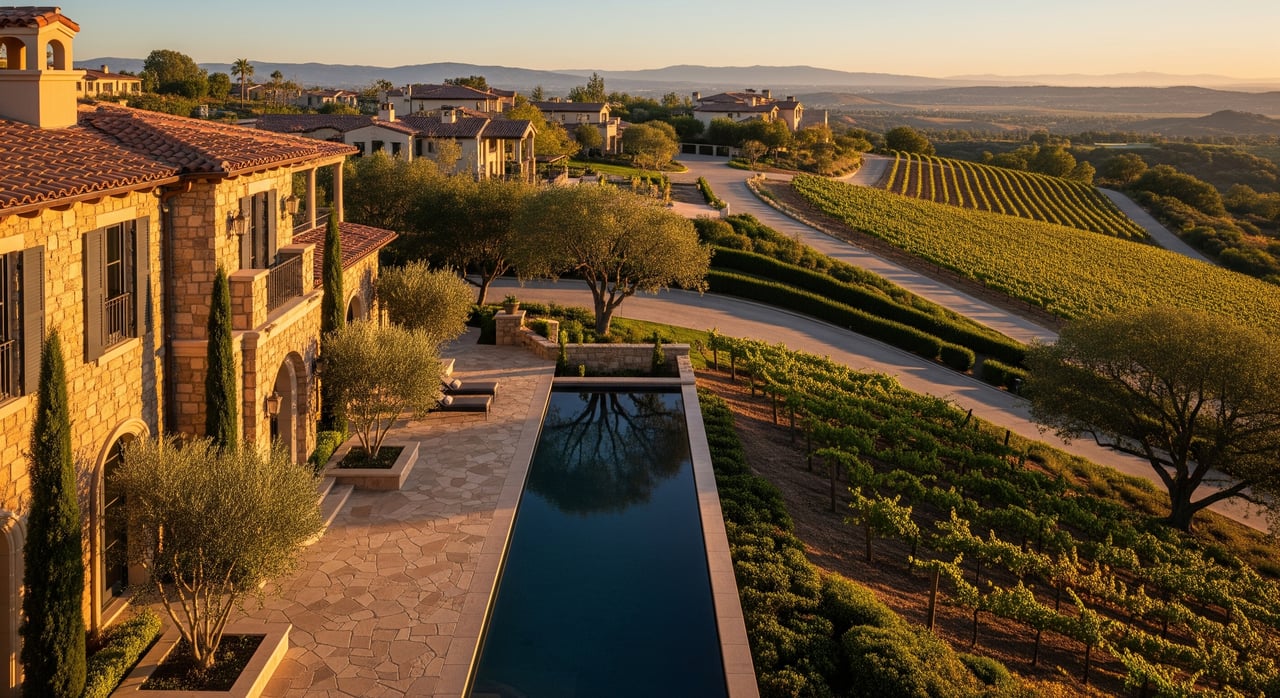
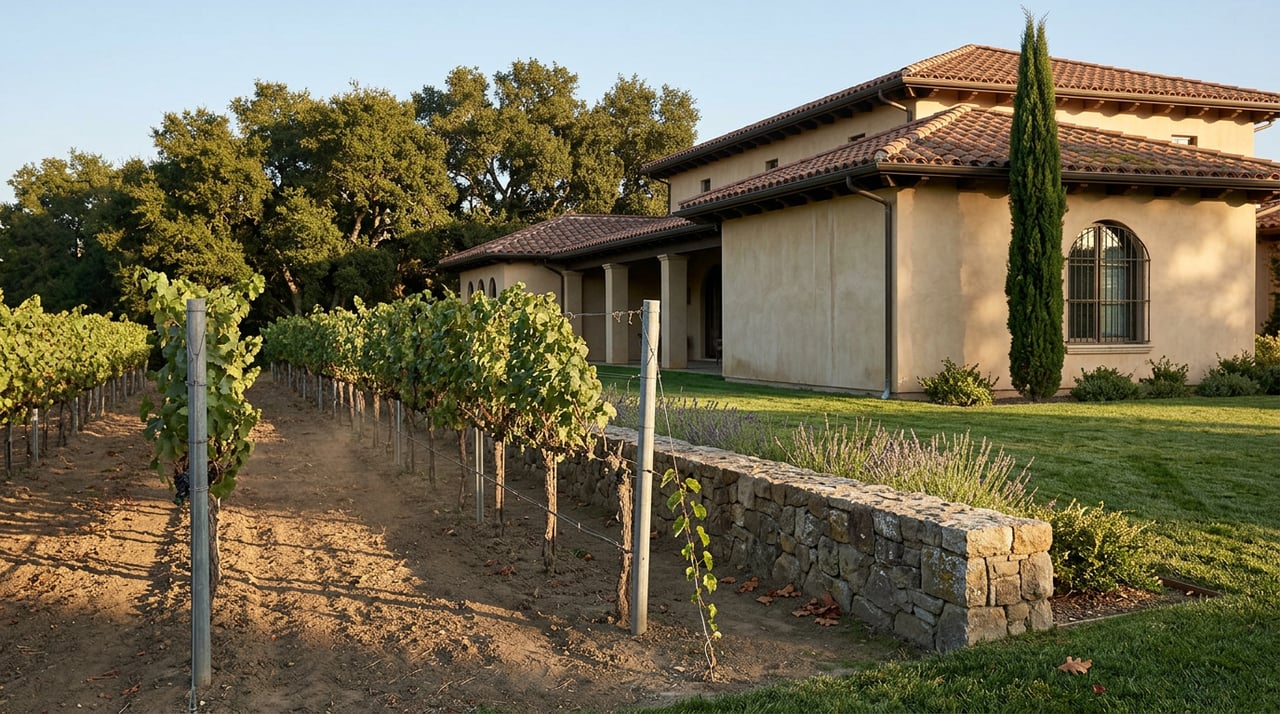
If you want to be near tasting rooms, look to the western Rancho California Road corridor and nearby rolling hills. Lots here generally range from 0.5 to 5 acres, with many around 1 to 3 acres. Homes are a mix of newer custom builds, remodeled ranch houses, and smaller vineyard estates. You’ll get scenic ridgelines and valley views plus short drives to wineries.
Expect more weekend activity and visitor traffic near the tasting rooms. Many buyers like the balance of a rural feel with quicker access to city services. Key checks include whether the property is on municipal water or private well, septic permits, and any recorded easements for access or utilities.
View-focused custom homes
Scattered ridge tops and small planned estate tracts offer custom homes designed around views. These pockets can be gated and may include HOAs. Lot sizes typically fall between 0.5 and 5 acres, with some infill lots under 1 acre.
Lifestyle here is quieter and more privacy-oriented, with high-end finishes, pools, and outdoor living spaces. You’ll see less agricultural activity on site but strong vineyard ambience in the distance. Ask about any HOA rules, slope and grading considerations, and utility connections at the lot line.
True rural acreage
For maximum privacy and agricultural use, look west and southwest of city limits into unincorporated Riverside County, commonly referred to locally as De Luz and similar rural corridors. Parcels can span 5 to 40 plus acres, supporting hobby farms, equestrian facilities, and small commercial vineyards.
Homes range from ranch and farmhouse styles to estates with barns and vineyard infrastructure. Expect private wells, septic systems, overhead power in places, and potentially limited broadband. Verify road maintenance agreements, recorded access easements, well logs and yield, septic capacity, and anticipated wildfire insurance costs.
Micro-area snapshot
Vineyard-adjacent tracts
- Where: Along Rancho California Road and nearby hills.
- Lots: About 0.5 to 5 acres, with many 1 to 3 acres.
- Homes: Mix of custom, remodeled ranch, and small vineyard estates.
- Lifestyle: Winery access, scenic views, and higher weekend activity.
Custom-home pockets
- Where: Ridge tops and small planned estate tracts, sometimes gated.
- Lots: About 0.5 to 5 acres; some under 1 acre.
- Homes: Architect-designed, luxury single and two-story residences.
- Lifestyle: Private, view-forward, often HOA-governed.
Rural and unincorporated
- Where: De Luz and rural corridors west and southwest of city limits.
- Lots: About 5 to 40 plus acres.
- Homes: Ranch and farmhouse types, barns, vineyard infrastructure.
- Lifestyle: True rural living with agricultural uses permitted.
City-adjacent suburban
- Where: Closer to Old Town, I-15, and Pechanga.
- Lots: About 0.1 to 0.5 acres, with some larger estate lots farther out.
- Homes: Traditional suburban tracts, townhomes, and golf-course communities.
- Lifestyle: Easiest access to schools, shopping, and commuting.
Commute and daily life
I-15 is the main north-south corridor for Temecula and Murrieta. Rancho California Road and De Luz Road provide east-west access through wine-country pockets. Northbound commutes reach Temecula city center, Murrieta, Corona, and beyond. Southbound drives reach northern San Diego County and farther south.
Traffic peaks on weekday commute hours, long weekends, and during visitor season. If you will commute, test real drive times at the hours you care about most. Also account for seasonal winery event traffic when evaluating noise and access.
Utilities and services
- Water and sewer: Closer-in tracts are often on municipal systems. Vineyard-adjacent and rural parcels may rely on private wells and septic. Confirm well status, yield records, and septic permits.
- Power and internet: Rural areas may use overhead power with limited broadband. Satellite, fixed wireless, or cellular-based internet are common alternatives.
- Roads: Private roads are common in rural zones. Verify maintenance obligations and recorded access.
- Schools: The area is served by Temecula Valley Unified School District. Assignment can vary by address, so verify current boundaries with the district.
Land use, permits, and risk
- Zoning and use: Many parcels are zoned agricultural or residential-agricultural. Vineyards, horses, and accessory agricultural uses may be allowed, but commercial tasting rooms and certain structures require permits and adherence to county or city rules.
- Agricultural contracts: Some properties may be subject to agricultural contracts or conservation easements. Review any recorded agreements and parcel-specific restrictions.
- Wells and water rights: For rural lots, confirm well logs, pump yield, water quality, and permits. If you plan a hobby or commercial vineyard, consider irrigation needs and drought resilience.
- Septic systems: Obtain a septic inspection and confirm permit history and capacity, especially if you plan to add bedrooms or an accessory dwelling.
- Wildfire and insurance: Hillsides around Temecula carry wildfire risk. Review hazard maps and mitigation guidelines, and get insurance quotes early. Include defensible-space maintenance in your operating budget.
- Access and easements: Private roads, shared driveways, and right-of-way for agricultural or utility access are common. Confirm recorded easements and maintenance agreements.
- Permit scope: New structures, guest houses, barn conversions, and commercial uses often require building permits or discretionary review. Septic expansions, wells, and horse facilities have specific setbacks and standards.
Before you tour: quick checklist
- Test your commute during the exact times you plan to drive.
- Bring a parcel or topo map to check slope, aspect, and drainage.
- Verify utility connections and where lines terminate on the lot.
- Request well logs, recent pump tests, and water quality results.
- Order a septic inspection and confirm permitting and capacity.
- Ask about road maintenance obligations and any gated access rules.
- Consider weekend winery traffic when evaluating noise and privacy.
- Line up specialists early: well and septic inspectors, rural appraiser, and if applicable, vineyard or equestrian consultants.
Ready to explore?
Whether you want walkable winery access, a view-focused custom home, or a true rural retreat, you deserve clear guidance tailored to Temecula’s micro-areas. Our team pairs hospitality-level service with local expertise so you can shop with confidence and avoid costly surprises. Reach out to schedule tours or a planning call with Luminescent Real Estate.
FAQs
What counts as “near the tasting rooms” in Temecula?
- Focus on the Rancho California Road corridor and surrounding hills, where many wineries cluster, then filter properties by their proximity to those routes and landmarks.
What lot size do I need for a hobby vineyard or horses?
- Hobby vineyards can fit on about 1 to 3 acres, while equestrian uses typically need several acres to handle paddocks, manure, and permit requirements.
Are wells and septic systems a dealbreaker in Wine Country?
- Not if you verify capacity and permits. Order well yield and water quality reports and a septic inspection to understand current limits and any upgrade needs.
How much extra commute time should I plan for from rural pockets?
- Expect longer drives than in-city neighborhoods, especially during peak weekday hours and visitor season. Always test your specific route at your target commute times.
What inspections are essential for acreage properties?
- Plan on a general home inspection, pest report, well log and water quality test, septic inspection, boundary survey, soils or erosion review, and a wildfire-risk assessment.
Do rural or agricultural parcels affect financing or insurance?
- Some lenders use different underwriting for unique rural or agricultural properties, and wildfire risk can affect insurance availability and cost. Work with experienced lenders and insurers early.