Thinking about selling your Yorba Linda home but unsure when to list? Timing can shape your days on market, buyer activity, and final sale price. With a smart plan, you can launch into a window where demand is stronger and competition is manageable. In this guide, you’ll learn how Yorba Linda’s seasons affect sales, the key metrics to watch, and a clear 60- to 90-day prep plan to choose your best listing window. Let’s dive in.
Yorba Linda selling seasons at a glance
Yorba Linda sits within the Anaheim–Santa Ana–Irvine metro in northeastern Orange County. Local timing follows broader Southern California patterns with a few local twists. Use the overview below to sketch your initial plan, then refine it with current market data and your personal goals.
Spring: February to May
Spring is often the busiest selling season. More buyers are actively searching, fresh listings hit the market, and curb appeal shines. Many households try to move between school years, which increases activity starting in late winter.
What this means for you:
- If you want maximum exposure, spring is a strong bet.
- Listing earlier in the spring surge can help you stand out before inventory peaks.
- Staging and landscaping usually photograph best in this window.
Early summer: June to July
Demand usually stays solid into early summer, though it can gradually taper from spring highs. Buyers who missed spring listings often remain active, and the longer daylight supports showings.
What this means for you:
- If you want strong activity but a touch less competition than peak spring, consider June.
- Exterior photos and outdoor spaces show well.
- Be ready to price with precision as some buyers start to take summer breaks.
Late summer to early fall: August to October
Performance is mixed but can be favorable. Inventory may thin, and some buyers take advantage of less competition. In certain years, pricing and Days on Market (DOM) remain attractive.
What this means for you:
- If you want less head-to-head competition, a late summer or early fall launch can help.
- Well-prepared homes can still draw strong interest.
- Watch interest rate trends and active inventory to fine-tune your pricing.
Winter and holidays: November to January
This is usually the quietest period. Listing volume falls and buyer traffic slows around major holidays. That said, some buyers remain motivated and ready to move.
What this means for you:
- If you need to sell now, focus on standout presentation and realistic pricing.
- Lower listing volume can help a well-priced property rise to the top.
- Expect fewer showings but more serious visitors.
Local factors that shape timing
A few Yorba Linda traits can influence your ideal launch date:
- School-year timing: Many buyers plan around the school calendar. Listings earlier in the year can capture those searching before summer break.
- Single-family inventory: Yorba Linda’s housing stock skews single-family, which can support favorable DOM in strong markets. Current inventory still matters, so check it monthly.
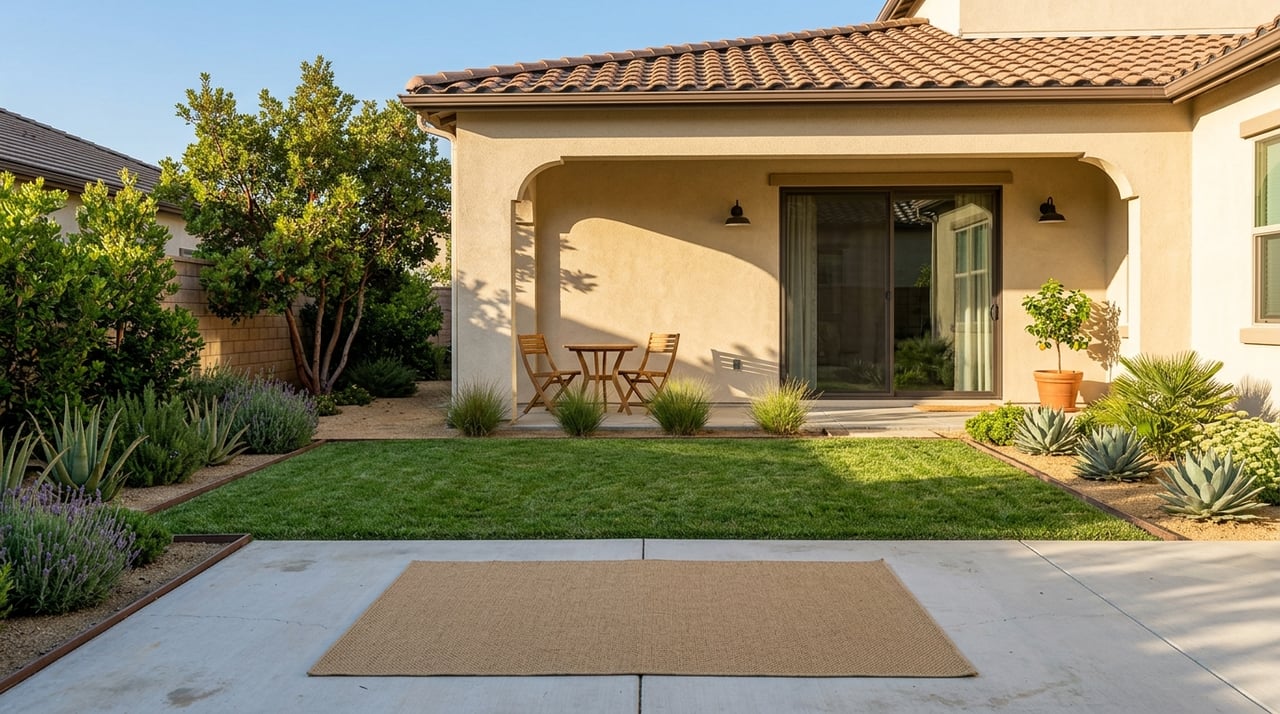
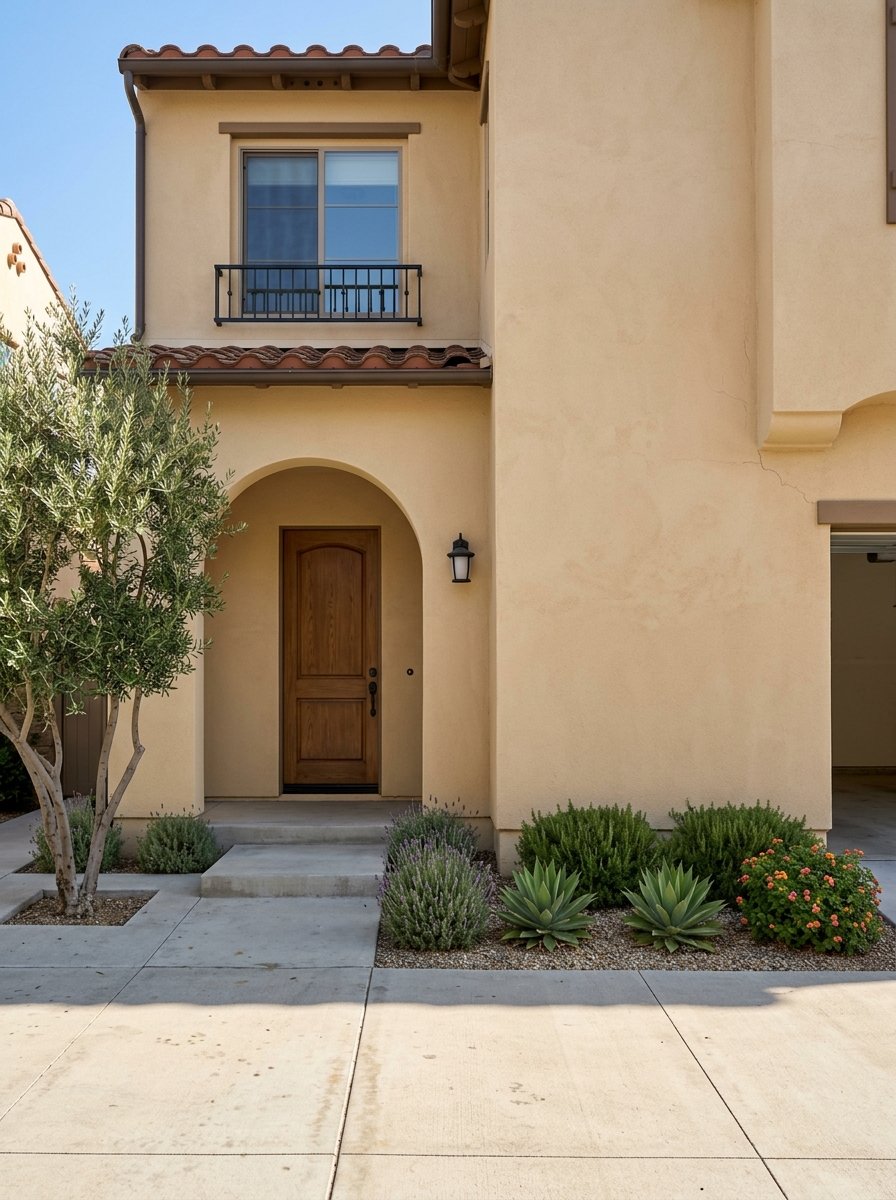
- Curb appeal cycles: Landscaping and gardens show best from spring through early fall. Plan photos when your exterior looks its best.
- HOA or permit needs: If your property has HOA requirements or older remodels that may require documentation, build in extra lead time.
Track these market metrics before you list
Local market data helps you pick the best month to launch. Review the past 12 months and compare to the prior year to spot trends.
New listings by month
- What to watch: How many comparable homes are entering the market.
- Why it matters: A big spring surge means more competition. Listing early in the surge can help, while some sellers do well in early fall when competition is lighter.
Median Days on Market (DOM)
- What to watch: Typical time to go under contract.
- Why it matters: Shorter DOM points to faster sales. If DOM lengthens, expect to lean into pricing and presentation.
Months of inventory (MOI)
- What to watch: How long it would take to sell current inventory at the current pace.
- Why it matters: Lower MOI favors sellers and can support higher prices and multiple offers.
List-to-sale price ratio
- What to watch: How close closed sales are to asking prices.
- Why it matters: Higher ratios often signal a market where precise pricing and great presentation can yield quick, strong results.
Mortgage interest rates
- What to watch: Weekly rate trends and buyer affordability indicators.
- Why it matters: Rising rates can cool demand. Stable or falling rates can energize buyers and improve your timing.
Where to get current numbers: Your local MLS data (CRMLS), Orange County REALTORS reports, California Association of REALTORS monthly summaries, and recognized public data providers. Use rolling 12-month charts to see seasonality and year-over-year changes.
Build a 60–90 day launch plan
Working backward from your intended list date keeps you on schedule and market-ready. Use this roadmap and adjust based on your home’s needs.
Weeks 9–12 before list date (90–60 days)
- Market analysis and planning: Request a comparative market analysis based on current MLS data. Pick a primary and backup window, and discuss expected DOM and comps.
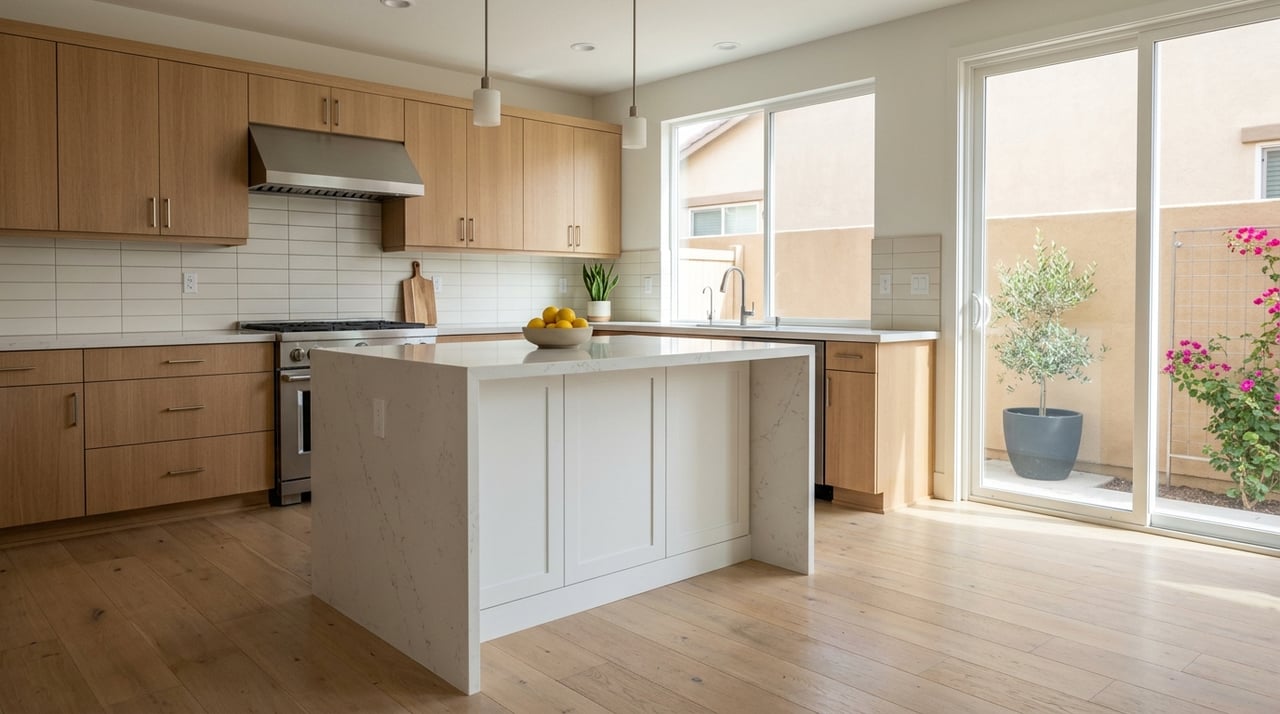
- Scope decisions: Choose repairs or refreshes versus selling as-is. For kitchen, bath, paint, or flooring updates, allow extra time.
- Hire your team: Select your listing agent, contractor, stager, photographer, and consider a pre-listing inspector.
- Permits and HOA checks: Verify past work permits and HOA requirements. Start resolving any open items now.
Weeks 5–8 before list date (60–45 days)
- Repairs and upgrades: Complete agreed updates such as paint, minor kitchen or bath refresh, and landscaping.
- Declutter and prep for staging: Reduce personal items and consider short-term storage. Book your staging consult.
- Pre-listing inspection and disclosures: Identify issues early and prepare disclosures to reduce surprises during escrow.
- Home performance: Service HVAC, check roof, schedule termite or pest inspections, and service pool or spa equipment if applicable.
Weeks 3–4 before list date (30–15 days)
- Final staging and deep clean: Install staging, complete curb appeal touchups, and schedule professional cleaning.
- Photography and video: Capture high-quality photos, video, or drone footage. Book for good light and fresh landscaping.
- Marketing calendar: Set the listing debut date, open house plans, and showing instructions with your agent.
One week before and launch week (7–0 days)
- Final walkthrough: Confirm utilities, keybox, and showing plan. Ensure disclosures are complete.
- Soft launch or broker preview: Optional early exposure through local agents.
- Go live and monitor: List on MLS and review early feedback. Adjust price or marketing if showings miss expectations.
How the prep schedule guides your timing
- Targeting spring? Begin prep in late fall or early winter to list in February or March. This helps you beat contractor backlogs and holiday conflicts.
- Prefer less competition? Aim for late summer or early fall and start prep in June or July.
- Need speed? Compress to a 2- to 4-week plan that focuses on cleaning, staging, light landscaping, and realistic pricing. Skip nonessential renovations.
- Permits or HOA approvals? Build a 3- to 6-month runway so you can still launch into your preferred window.
A simple decision path to choose your window
Use this step-by-step approach to decide when to list and how to prepare.
- Clarify your goals
- Do you need a faster sale or are you aiming for top-of-market pricing with full prep?
- Are you trying to move during summer break, or do you have a flexible timeline?
- Check current market data
- Review new listings, DOM, MOI, list-to-sale price ratio, and rate trends for the last 12 months.
- Compare the most recent 30–90 days to the same period last year. Note any shifts.
- Pick primary and backup windows
- Spring often offers the most activity. Early fall can be a strong secondary option when competition thins.
- If inventory is spiking, consider listing earlier in the surge or waiting a few weeks for a clearer runway.
- Set your prep plan
- Choose improvements with the best return for your specific home and price point.
- Schedule staging, photography, and marketing so your home debuts at full strength.
- Recheck conditions two weeks before launch
- Confirm that DOM, MOI, and rate trends still support your target date.
- Be ready to adjust price or marketing if the market shifts.
Quick checklist you can copy and use
- Define timing goals: fast sale vs. best price with full prep.
- Gather local data: 12-month DOM, MOI, new listings, list-to-sale ratio, rate trends.
- Choose windows: primary and backup launch month.
- Approvals: permits or HOA requirements verified.
- Prep plan: repairs, paint, landscaping, staging, cleaning.
- Marketing: photos, video, open houses, showing plan.
- Final review: recheck market data 2 weeks pre-launch.
If you need to list in under 30 days
Sometimes life timelines change. You can still launch with confidence if you focus on the essentials.
- Prioritize presentation: deep clean, declutter, neutral paint touchups, updated lighting, and fresh mulch.
- Stage smart: partial or virtual staging can work if full staging is not feasible.
- Price with the market: align with recent comps and current list-to-sale price ratios.
- Pre-listing inspection: a quick inspection can surface items that may otherwise slow escrow.
Practical notes specific to Yorba Linda
- Landscaping and irrigation: Drought-sensitive practices matter. Ensure irrigation works and keep plantings tidy for photos and showings.
- Pools and spas: Service equipment and gather records to increase buyer confidence.
- Termite and pest reports: Common in California resales. Scheduling early can reduce delays.
- School-year timing: If your ideal buyer timeline is between school years, aim for earlier-in-the-year listing and plan photos to highlight outdoor spaces.
What this means for your timing decision
If your goal is maximum exposure with broad buyer activity, plan for a late winter or spring launch and start prep 60 to 90 days prior. If you prefer less competition or need more lead time for projects and permits, late summer to early fall can be a smart secondary window. Always validate your choice with current MLS metrics, especially DOM, MOI, new listings, and rate trends.
When you are ready, align your plan with a clear prep checklist and a data-backed pricing strategy. That combination puts you in position to move quickly once your home hits the market.
Ready to talk through the best month for your property and neighborhood comps? Schedule a short listing strategy session to review current local metrics and finalize your launch plan with the team at Luminescent Real Estate.
FAQs
What is the best time to sell a home in Yorba Linda?
- Spring often brings the most buyer activity, with a strong secondary window in late summer to early fall, but your best month should be chosen using current data on DOM, inventory, and interest rates.
How long does it take to sell a Yorba Linda home?
- Timing varies by price point and preparation; use recent MLS median Days on Market for your neighborhood and compare the latest 30–90 days to last year to set expectations.
Can I sell well during the winter holidays in Yorba Linda?
- Yes, although activity is slower, serious buyers remain and lower listing volume can help a well-presented, well-priced home stand out.
When should I start preparing if I want to list in spring?
- Begin 60 to 90 days before your target launch, which often means starting in late fall or early winter for a February or March debut.
Do I need a pre-listing inspection for an Orange County sale?
- It is not required, but it can uncover issues early, reduce negotiation surprises, and support a smoother closing.
How do mortgage interest rates affect my listing timing?
- Rising rates can reduce buyer purchasing power and slow demand, while stable or falling rates can improve activity and support a stronger launch window.