Trying to choose between Murrieta and Temecula can feel like splitting hairs. Both offer suburban comfort, strong community ties, and access to Southern California job hubs. Still, each city has a different vibe and set of trade-offs. In this guide, you’ll get a side-by-side look at price patterns, housing types, commutes, schools, and lifestyle so you can decide what fits you best. Let’s dive in.
Murrieta vs Temecula at a glance
On average, Temecula tends to carry a modest price premium over Murrieta. The difference often comes from Temecula’s wine-country identity, Old Town entertainment, and some larger-lot or semi-rural options. Murrieta is generally a bit more affordable, especially in typical tract-home neighborhoods.
Both cities grew rapidly from the 1990s onward, with a large base of single-family homes. You’ll see many neighborhoods with homeowner associations and a range of lot sizes. Since prices and inventory shift by season and by neighborhood, check current local MLS data before you write offers.
Home prices and housing types
Price patterns to expect
- Temecula often commands slightly higher prices on average, especially near wine-country corridors and Old Town.
- Murrieta frequently offers more options at entry-level and mid-range price points.
- Market conditions change quickly. Use your agent’s MLS access or regional reports for current medians and days on market before bidding.
What you’ll find in Murrieta
- A large supply of newer tract homes built from the 1990s to 2010s.
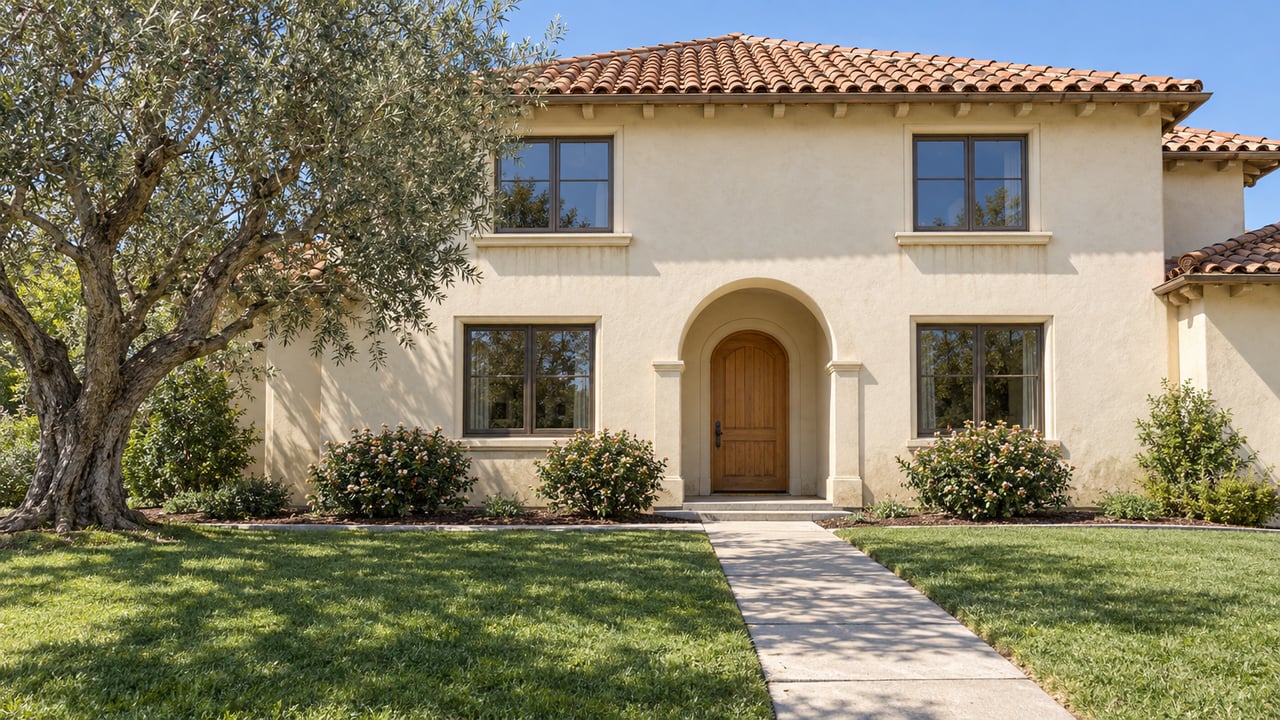
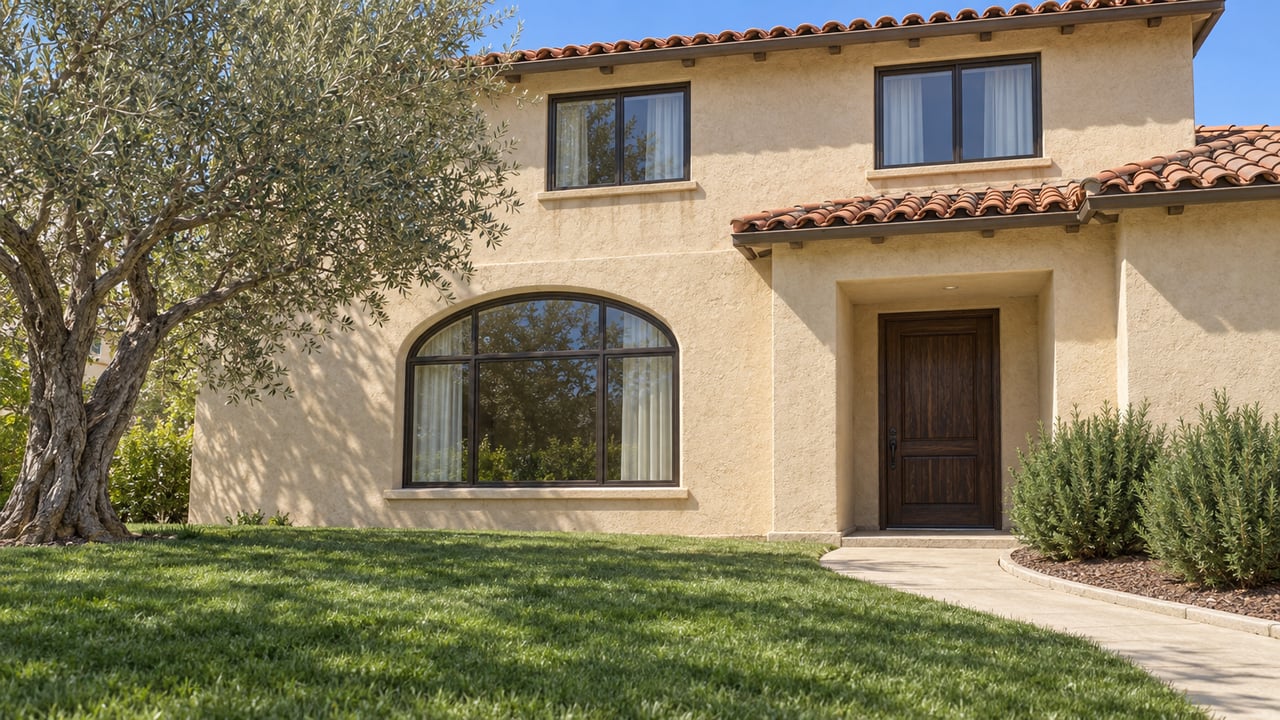
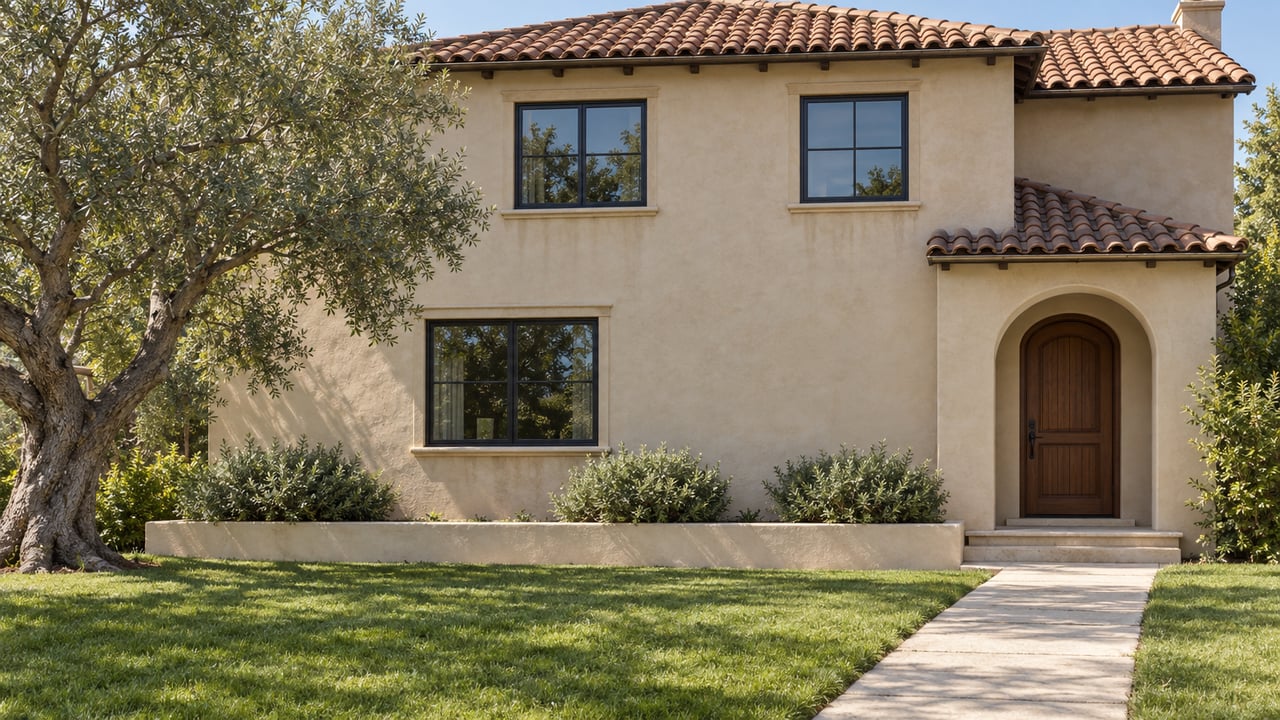
- Many two-story family homes with midsize lots and commuter-friendly locations.
- A quieter suburban feel with growing retail centers and parks.
What you’ll find in Temecula
- Master-planned communities, plus some larger-lot and semi-rural properties near wine country.
- Proximity to Old Town restaurants, events, and boutique shopping.
- Access to wineries and scenic valley views in the outskirts.
HOAs and new homes
Both cities have active new-home communities and HOA-governed neighborhoods. HOA fees and rules vary, so review CC&Rs and budgets closely. Ask about landscaping rules, parking policies, and any special assessments.
Commute and transportation
Interstate 15 runs through both cities and is the main north-south route to the Inland Empire, Orange County, and San Diego County. Peak congestion builds in the morning and evening, and commute times can range from 45 to 90 or more minutes depending on destination and traffic.
Local transit is primarily Riverside Transit Agency buses. There is no Metrolink rail station in Murrieta or Temecula, so most residents rely on cars. If commute time is a top priority, do a test drive during peak hours on your exact route before you choose a neighborhood.
Schools and family services
Most of Murrieta is served by Murrieta Valley Unified School District. Temecula is covered by Temecula Valley Unified School District. Both districts include a mix of high-performing schools and strong extracurricular programs. School performance varies by campus, so review school-level test scores, graduation rates, AP or elective offerings, and clubs or athletics that matter to your family.
Attendance boundaries can change as neighborhoods grow. If a specific school is a must-have, verify current boundaries with the district before making an offer. Both cities also offer private schools and preschool or daycare options, though waitlists can be tight. Plan ahead and ask providers about availability.
Lifestyle and amenities
Temecula highlights
- Old Town Temecula with dining, antique shops, and frequent events.
- Wine country with tasting rooms and weekend experiences.
- Entertainment options that include resort and casino venues with shows and concerts.
Murrieta highlights
- Family-focused parks and newer residential communities.
- Access to the Santa Rosa Plateau Ecological Preserve for hiking and open space.
- Suburban convenience with growing retail and services.
If you want wineries, Old Town energy, and event-driven weekends, Temecula may feel like home. If you want a quieter suburban pace and value, Murrieta often checks the boxes.
Who fits where? Real buyer scenarios
- If you’re a first-time buyer focused on budget: You may find more choices in Murrieta at your price point.
- If you want specific programs or activities at a particular high school: Choose by school boundary first, which could lead you to either city.
- If entertainment, wineries, and dining are your weekend priorities: Temecula likely fits your lifestyle.
- If you want a larger lot or semi-rural feel: Look to Temecula’s outskirts and wine-country corridors.
- If your commute drives the decision: Consider the exact route. Depending on where you work, Murrieta’s position along I-15 may help, but test it in real time.
- If you’re retiring or downsizing: Both cities have options. Temecula offers more dining and entertainment variety, while Murrieta often feels more low-key.
Quick priority matrix
Use this simple matrix to compare your must-haves. Mark which city matches each priority for you.
| Priority |
Murrieta |
Temecula |
| Budget sensitivity |
✓ Often more options at similar price points |
May carry a modest premium in many areas |
| School-specific goals |
Depends on boundary and campus |
Depends on boundary and campus |
| Commute tolerance |
Test exact route to your job center |
Test exact route to your job center |
| Larger lot desire |
Fewer in standard tracts |
More options near wine-country edges |
| Lifestyle amenities |
Suburban parks and trails |
Old Town, wineries, entertainment |
| HOA tolerance |
Many HOA communities; rules vary |
Many HOA communities; rules vary |
Tip: If one city matches three or more of your must-have boxes, start your tour plan there first.
Your neighborhood tour checklist
Bring this list when you preview homes and drive the area at different times of day.
- Verify school boundaries and check the actual route to school. Time the drive or walk.
- Do a commute test during peak hours on your real route.
- Review HOA rules, fees, and any special assessments.
- Check lot orientation, yard size, and sun exposure for gardening or solar.
- Map nearby essentials: grocery, parks, urgent care, and pet care.
- Listen for noise sources like freeway corridors or commercial centers.
- Review wildfire and flood risk using official maps. Ask about defensible space and insurance.
- Ask your agent for recent comparable sales and neighborhood price trends.
Long-term costs and risk checks
- Property taxes and special districts: Some neighborhoods include Mello-Roos or community facility district assessments. Ask your agent and the title company to outline all recurring charges.
- Insurance: Premiums can vary, especially in areas with higher wildfire risk near foothills or rural edges. Get quotes early in escrow.
- Future development: Both cities have active planning pipelines. Review city planning and general plan maps to understand potential nearby projects.
- Environmental factors: Confirm wildfire, flood, and debris-flow risk with official sources. Consider air quality during peak wildfire season.
How to test-drive your choice
- Spend a Saturday in each city. In Temecula, try a morning coffee in Old Town, a tasting-room visit, and an evening concert or event. In Murrieta, hike the Santa Rosa Plateau trails and visit local parks and retail centers.
- Drive your commute on a weekday at the same time you’d normally leave and return.
- Tour two or three neighborhoods in your price range in each city. Note lot sizes, HOA rules, and parking.
- If schools matter, schedule a campus tour or speak with the front office about programs.
The bottom line: Both Murrieta and Temecula can be great choices. Your answer depends on budget, commute, school priorities, lot size preferences, and lifestyle. A local, on-the-ground tour plus the checks above will make the right choice clear.
Ready for a calm, guided process tailored to your priorities? Our boutique, hospitality-style approach helps you compare neighborhoods, verify school boundaries, test commute routes, and navigate offers with confidence. Connect with Luminescent Real Estate to start your personalized plan. Let’s illuminate your next move.
FAQs
Is Murrieta or Temecula more affordable for first-time buyers?
- On average, Murrieta often offers more choices at entry-level and mid-range price points, while Temecula can carry a modest premium depending on neighborhood and season.
How do commutes compare if I work in San Diego or Orange County?
- Both rely on Interstate 15, with peak-hour congestion common; real-world drive times can range from 45 to 90 or more minutes, so test your exact route during rush hour.
Where can I find larger lots or a semi-rural feel near these cities?
- You’ll find more larger-lot and semi-rural properties on the outskirts of Temecula, especially near wine-country corridors; options exist in both cities but are more limited in standard tracts.
How do the school districts differ between Murrieta and Temecula?
- Murrieta Valley Unified serves most of Murrieta and Temecula Valley Unified serves Temecula; both include a mix of high-performing schools, so review specific campuses and verify boundaries.
What hazards should I check before buying in either city?
- Review official wildfire and flood maps, and consider debris-flow and seasonal air quality; risk can be higher near foothills and rural edges, and insurance costs may vary accordingly.
Do both cities have HOAs and new-construction options?
- Yes, both have active new-home builders and many HOA communities; fees, rules, and amenities vary, so review CC&Rs and budgets with your agent before you commit.