Temecula Wine Country Homes for Growing Families
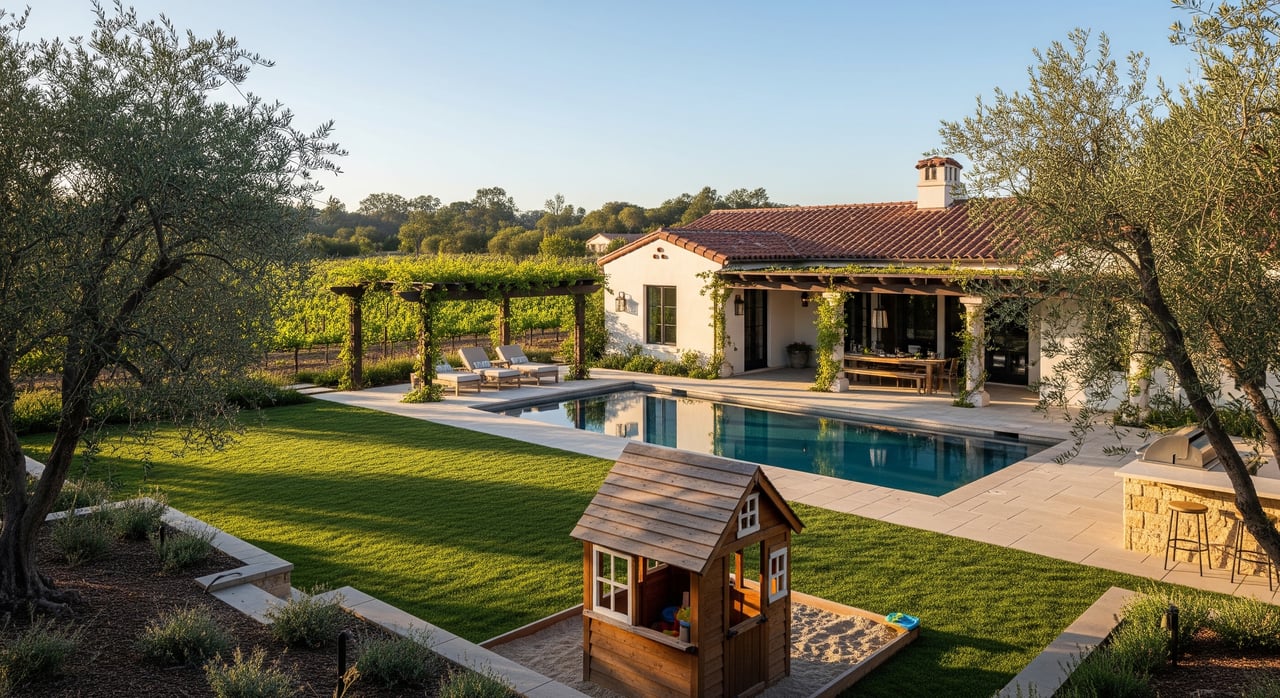
Picture your kids racing across a big backyard with vineyard views, while you sip coffee on a sunny patio. If you are growing out of your starter home or relocating to the Temecula area, Wine Country can be a beautiful next chapter. It also comes with a different daily rhythm than central Temecula. In this guide, you will learn how Wine Country compares with in-town living for homes, schools, commutes, utilities, costs, and resale, plus a simple checklist to use when you tour properties. Let’s dive in.
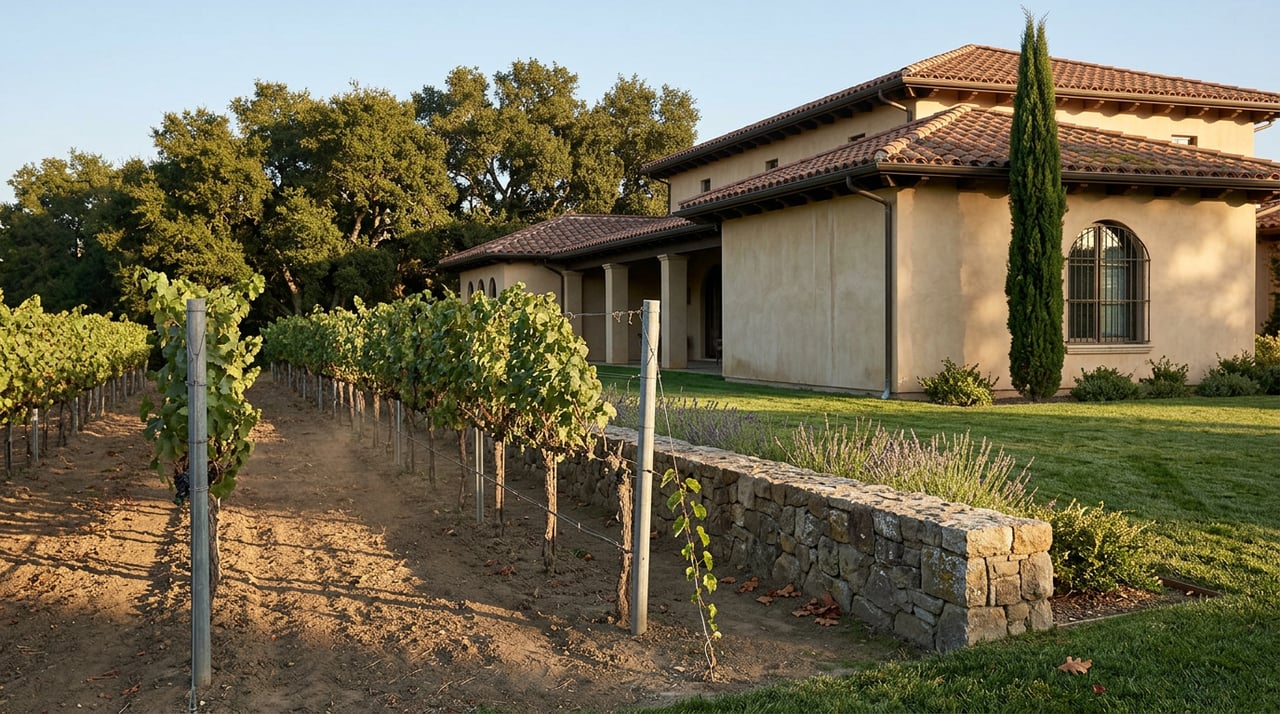
Wine Country sits in the western Temecula Valley, with vineyards and tasting rooms clustered off Rancho California Road and nearby rural corridors. Parcels can be inside Temecula city limits or in unincorporated Riverside County. Central Temecula covers denser, suburban neighborhoods near Old Town, retail centers, and most community amenities.
In Wine Country you will find quieter nights, big skies, and an outdoor lifestyle centered on open space, trails, and seasonal events. In central neighborhoods, you get shorter drives to errands and after-school activities plus more sidewalks, parks, and programmed community spaces. If you want a taste of the landscape and seasonal events, browse the visitor resources from Visit Temecula Valley.
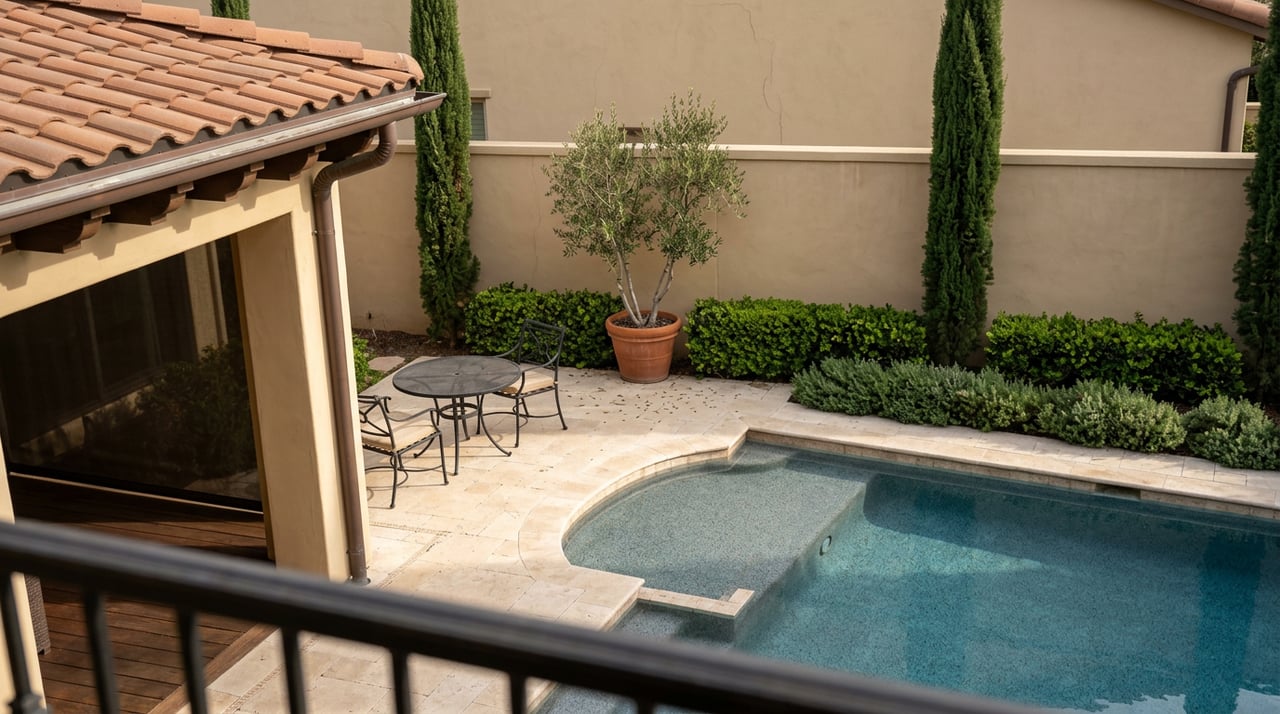
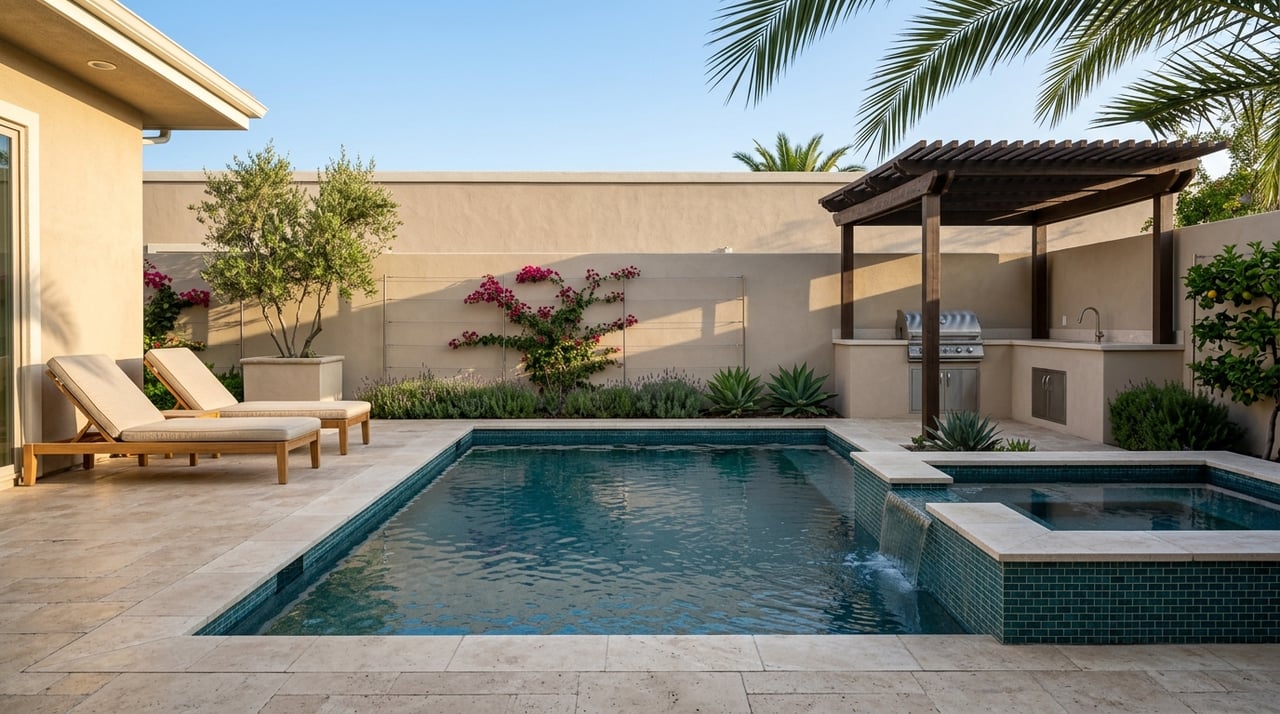
Wine Country offers a wide range of properties, from renovated ranches and modern farmhouses to large estates and vineyard-ready parcels. Many include outdoor kitchens, barns, and accessory buildings. Lots often range from 1 to 5 acres or more.
Central Temecula leans toward newer tract homes and townhomes in master-planned communities, with smaller yards and shared amenities like pools and playgrounds. Many neighborhoods have HOAs that help maintain amenities and set community standards.
Most Temecula addresses are served by the Temecula Valley Unified School District. School assignments vary by exact address, and some unincorporated parcels may feed into nearby districts. Always verify boundaries and bus eligibility using TVUSD resources and compare academic data through the California Department of Education.
If you choose Wine Country, expect longer parent drives or bus rides to schools and activities compared with central neighborhoods. Families who prefer walking or short hops between school, sports, and errands often favor in-town locations.
You can also explore independent review sites for parent perspective. Many families look at GreatSchools or Niche when researching schools and programs. Use these tools as part of a broader decision that includes official district information and school visits.
Central Temecula has a higher density of daycares, preschools, enrichment classes, and youth sports within a short drive. In Wine Country, you may rely more on in-home caregivers or drive into town for scheduled programs. On the plus side, open space, trails, and equestrian centers can add fun outdoor options for weekends and after-school time. Some wineries host seasonal family events, though minors may be restricted in certain areas depending on the business.
Temecula offers clinics and urgent care, with full-service hospitals and specialized pediatric services in the city and nearby communities. If you are considering a rural parcel, plan to ask about emergency response times and the closest hospital routes.
Interstate 15 is the main north–south route. Local access uses Rancho California Road and CA-79. Central addresses generally mean shorter drives to grocery stores, schools, and local employers. Wine Country addresses often involve longer weekday drives, especially during school pickup hours or regional commute times. If you commute to Riverside, North San Diego County, or coastal job hubs, map your likely routes at the times you would actually travel.
Connectivity can be a deciding factor. Central neighborhoods are more likely to have cable or fiber internet. Some rural parcels rely on DSL, fixed wireless, or satellite. Always check provider availability for the exact address. Also verify whether a home uses municipal water and sewer or private well and septic. Well and septic systems require maintenance and may affect plans to add bedrooms or an ADU.
With more land comes more ongoing work. Budget for landscaping, irrigation, fencing, barn or arena maintenance, and dust control on long driveways. If the home has a well or septic system, plan for routine service and potential upgrades. Families who operate small vineyards or keep horses should expect additional equipment, licensing, and management costs.
Many Wine Country properties sit outside HOAs. That can mean fewer restrictions and more freedom to personalize your property. It also means you shoulder more maintenance and do not have shared amenities. Central neighborhoods often have monthly HOA fees but include amenities and established community standards.
Southern California’s wine-country landscapes carry wildfire risk. Some rural parcels fall into higher fire-hazard severity zones. Review Cal Fire guidance and maps, and learn about defensible space and home-hardening best practices through Cal Fire before you buy. Ask sellers about past evacuations, vegetation management, and insurance history.
Rules can differ depending on whether a property is inside Temecula city limits or in unincorporated Riverside County. Zoning affects what you can build, whether you can keep certain animals, and what types of events or commercial activities are allowed. For city addresses, start with the City of Temecula. For unincorporated parcels, review Riverside County Planning for zoning and permitting.
If you plan to add structures, start a small agricultural operation, or host events, confirm requirements with the proper jurisdiction. Permit steps and inspections can vary, so early planning helps you avoid delays.
Central Temecula subdivisions often appeal to a broader buyer pool and see more frequent resales. That can make timing a move or upgrading later a bit more predictable. Wine Country estates draw buyers who want acreage, equestrian facilities, or vineyard potential. That niche appeal can lead to longer marketing times but can also support strong value for unique, well-located properties with good access and usable land. Location, road quality, water rights, and utility setup all influence marketability.
You leave home at 7:30 a.m., drop off at two schools within 10 minutes, and swing by the grocery store before a short drive to work. After school, your oldest walks to practice at the neighborhood park while you take the younger one to a nearby class. Dinner is quick, and you still have time for a sunset walk.
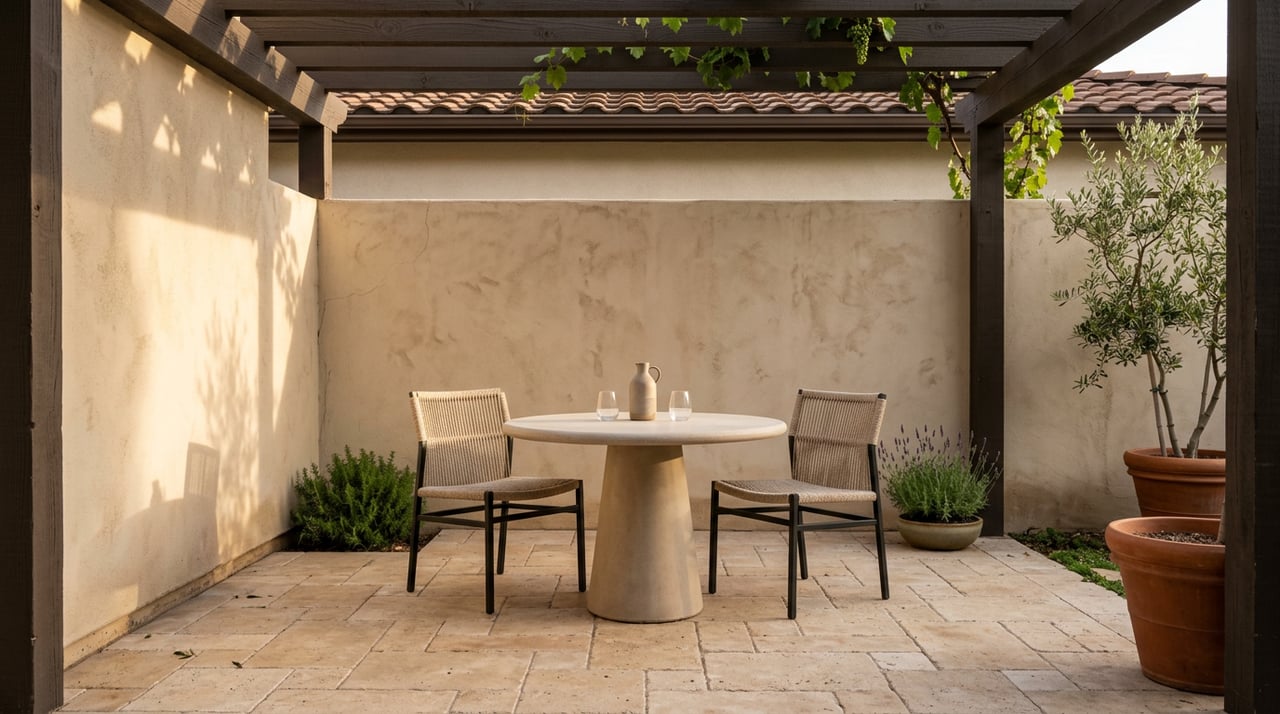
You start early to enjoy the sunrise over the vines. School drop-offs take longer, so you cluster errands on the way back. Internet speeds support remote work, but you planned ahead by confirming provider options. After school, the kids help in the garden, ride bikes on the long driveway, or take an equestrian lesson nearby. Your evening finishes on the patio with open views and quiet.
Neither lifestyle is better. They just fit different family rhythms. The key is matching the property to your routines, commute, and comfort with acreage maintenance.
When you are weighing big views against daily convenience, details matter. Our team lives and works in Temecula and knows the parcel-by-parcel differences that shape family life. We help you verify school assignments, utilities, broadband options, zoning, and wildfire considerations. We will also map typical routes for your commute and school run, and connect you with trusted local pros for well, septic, and insurance questions.
If Wine Country is right for you, we will help you find the property that fits your routines today and your plans tomorrow. If central Temecula is the better match, we will guide you to neighborhoods that offer the amenities and drive times you want. Ready to compare your options with a local, concierge-style team? Connect with Luminescent Real Estate. Let’s illuminate your next move.
Stay up to date on the latest real estate trends.
You've got questions and we can't wait to answer them.